Sleep paralysis is a phenomenon that causes temporary inability to move or speak while falling asleep or waking up.
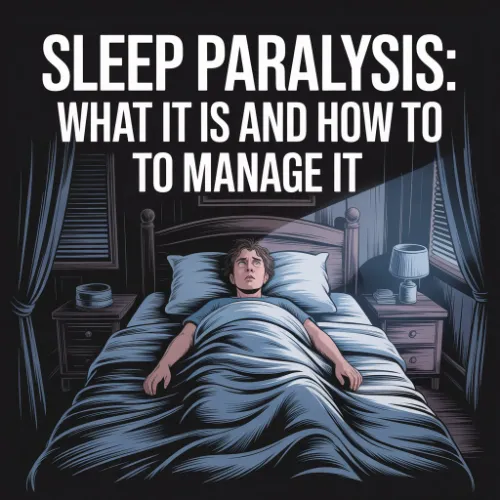
It can be terrifying, but understanding what it is and why it happens helps reduce fear and manage the experience better.
What is sleep paralysis? 🤔
Sleep paralysis is when you temporarily can’t move or speak while waking up or falling asleep.
During an episode, your mind wakes up, but your body remains in a state of paralysis. It can last for a few seconds to a couple of minutes, and often includes vivid hallucinations.
It typically occurs when you are transitioning between sleep stages, especially when moving between REM (Rapid Eye Movement) sleep and wakefulness.
What causes sleep paralysis? ⚡
Sleep paralysis happens when there’s a disconnect between your mind and body during sleep.
Normally, your brain paralyzes your muscles during REM sleep to prevent you from acting out dreams. If you wake up before this paralysis subsides, you may experience sleep paralysis.
Common causes of sleep paralysis include:
• Sleep deprivation: Not getting enough sleep can trigger sleep paralysis episodes.
• Irregular sleep schedule: Frequently changing your sleep patterns can increase the risk.
• Stress and anxiety: High stress levels can disrupt your sleep cycle and cause episodes.
• Sleep disorders: Conditions like narcolepsy or sleep apnea are linked to higher occurrences of sleep paralysis.
• Sleep on your back: Some studies suggest that sleeping on your back may increase the likelihood of sleep paralysis.
What does sleep paralysis feel like? 😵
During an episode of sleep paralysis, you may feel:
• Unable to move or speak, even though you’re awake
• A feeling of pressure on your chest or difficulty breathing
• A sense of someone or something in the room, often accompanied by hallucinations or shadows
• Extreme fear or anxiety during the experience
Some people also experience vivid and frightening hallucinations, such as seeing figures in the room or feeling like they are being choked.
How long does sleep paralysis last? ⏱️
Episodes of sleep paralysis usually last for only a few seconds to a couple of minutes, but they can feel much longer due to the fear and disorientation involved.
What should you do during a sleep paralysis episode? 🧘♀️
Although sleep paralysis can be terrifying, it’s important to remember that it is not harmful. Here are some tips on how to cope during an episode:
- Stay calm: Focus on calming your breathing. Remember, the episode will pass quickly.
- Try to move your extremities: Wiggling your fingers or toes can help break the paralysis and regain control.
- Relax your mind: Focus on positive thoughts to lessen feelings of fear or panic.
- Try to go back to sleep: Once the paralysis subsides, try returning to sleep to reset your body’s rhythm.
Also helpful: Signs of Burnout You Should Not Ignore 🔥
What are the common triggers of sleep paralysis? 🚨
Certain factors increase the likelihood of sleep paralysis episodes:
• Poor sleep hygiene: Going to bed at irregular hours or having an uncomfortable sleep environment.
• Stress and anxiety: High levels of emotional or mental stress often disrupt sleep.
• Physical illness: Fevers or illnesses that affect sleep can lead to episodes.
• Certain medications: Some medications, especially those affecting the nervous system, can trigger sleep paralysis.
How to prevent sleep paralysis? 💡
There are steps you can take to reduce the chances of experiencing sleep paralysis episodes:
- Maintain a regular sleep schedule: Go to bed and wake up at the same time every day to help regulate your sleep cycle.
- Improve sleep hygiene: Create a comfortable and peaceful sleep environment. Avoid screens at least 30 minutes before bed, and keep your room dark and quiet.
- Manage stress and anxiety: Practice relaxation techniques, such as meditation, deep breathing, or yoga, to reduce stress levels.
- Avoid sleeping on your back: If you frequently experience sleep paralysis, try sleeping on your side.
- Get enough sleep: Aim for 7-9 hours of quality sleep each night to prevent sleep deprivation.
Read next: Why You Feel Tired All the Time 😴
When to seek medical help 🏥
Sleep paralysis itself is not dangerous, but if episodes become frequent or particularly distressing, it may be a good idea to consult a healthcare provider. You should also seek help if:
• You experience other sleep disorders, such as insomnia or sleep apnea.
• The episodes begin to affect your mental health, causing persistent fear or anxiety about sleep.
• Sleep paralysis is accompanied by other symptoms, like sleepwalking, intense nightmares, or other sleep disturbances.
Key takeaway 🧠✅
Sleep paralysis is a natural but frightening experience that happens when the mind awakens before the body.
Understanding the causes, symptoms, and how to manage and prevent episodes can help you regain control and reduce anxiety around the phenomenon.
With proper sleep habits and stress management, you can greatly reduce the frequency of sleep paralysis.
If you’re dealing with sleep paralysis, start with these tips to improve your sleep hygiene tonight.
Explore more Health and Wellness guides on FeedFrenzyPlus 💚

I’m Geraldine Villariza, an SEO Specialist with over 3 years of experience. I’m passionate about beauty, self-care, and helping others thrive. I’ll be discussing topics like lifestyle, beauty, health and wellness, life hacks, daily tips, mindset and motivation, productivity, relationships, and love — all to help you live a more balanced and fulfilling life.