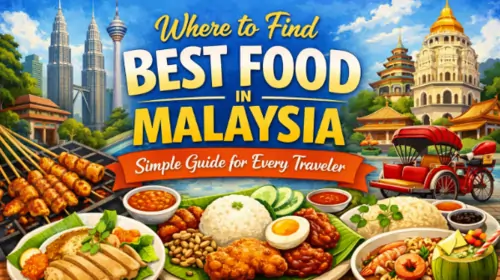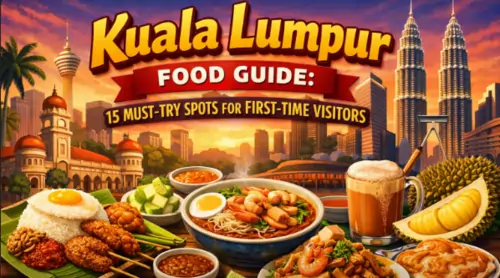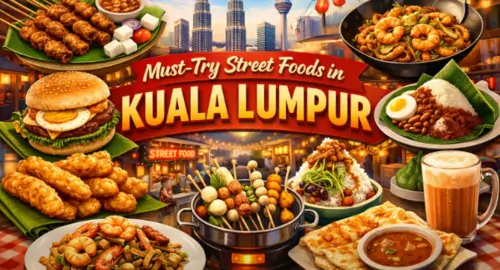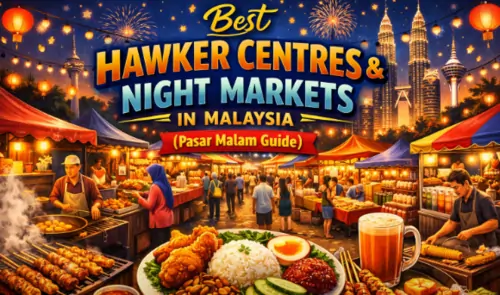
Hidden gem food spots in Malaysia are where the country’s real flavors live: noisy kopitiams, tiny kampung stalls, and back‑alley hawker centres that even locals hesitate to reveal because they’re just too good to share.

These places aren’t polished or touristy, but they are often the best places to eat in Malaysia if you want authentic taste, local crowds, and prices that make you smile instead of wince.
Why Hidden Food Gems Matter
Many visitors judge Malaysia’s food only by what they see in malls and top‑10 lists, but the country’s culinary soul is in casual local restaurants in Malaysia that families have visited for years.

These food spots in Malaysia usually have simple décor, handwritten menus, and a strong smell of wok hei or freshly pulled teh tarik hanging in the air.
They’re where you discover must‑try food in Malaysia that doesn’t always show up on glossy travel brochures: smoky char kway teow, fiery curry laksa, humble nasi lemak wrapped in banana leaves, and satay sizzling over charcoal.
Hidden gem restaurants in Malaysia are also a big part of food tourism in Malaysia. Travelers who go beyond the usual tourist trail often remember the night they squeezed into a crowded stall more than any fancy hotel buffet.
For the country as a whole, utilising local cuisine to market Malaysia as a tourist destination helps support small family businesses and keeps traditional Malaysian food alive and relevant.
It also means your trip becomes a Malaysia food tour filled with local food experiences in Malaysia, not just checklists of landmarks.
What Makes a True Hidden Gem
A true hidden gem is not just a place that’s hard to find; it’s a spot that locals genuinely love and return to. You’ll usually see a mix of office workers, families, and neighborhood regulars, with very few obvious tourists.
The menu is often short and focused, perhaps just two or three dishes, because the stall or shop has spent years perfecting them. These are not places where you scroll through a QR code menu; they’re where the owner remembers your face after a few visits.
- A strong local crowd, especially during breakfast, lunch, or late‑night hours.
- Simple shopfronts, maybe even hidden in alleys or old shophouses.
- Limited online presence; they might appear only in niche blogs or local groups.
Many such spots are nasi lemak stalls tucked into parking lots, mamak restaurants in Malaysia serving roti and curries 24/7, or kopitiam breakfast spots where coffee, toast, and noodles dominate the morning.
These non‑touristy food places Malaysia has scattered in every town are where everyday life actually happens.
A Personal Taste of Malaysia’s Hidden Gems
On a first night hunting for food spots in Malaysia, you might be tempted to stick to the bright lights of a mall or a famous street. But imagine following a local colleague into a quiet lane in Kampung Baru, Kuala Lumpur.
There’s a modest nasi lemak stall, plastic chairs, and a queue of people still in their office clothes. The sambal is spicy enough to make your eyes water, the rice is rich with coconut aroma, and the crispy ayam goreng tastes like it’s been marinated in a family recipe for decades.
The bill is so low that you double‑check the price, and everyone around you looks like they’ve been eating there since childhood.
That kind of moment explains why hidden gem restaurants in Malaysia often beat more polished spots. You’re not just eating; you’re sharing a ritual that locals repeat several times a week.
Hidden Gem Food Spots in Kuala Lumpur
Kuala Lumpur (KL) has endless dining options, but some of the best local restaurants in Kuala Lumpur are quietly tucked between office blocks and apartment towers.
Beyond the main tourist streets, you’ll find KL street food spots that form the backbone of daily life: hawker stalls under flyovers, tiny curry houses in Brickfields, kopitiams hiding behind busy intersections.
These are the food spots in Malaysia’s capital where locals drop by for a quick plate, a strong kopi, or a late‑night snack on the way home.
Jalan Alor and Beyond
Jalan Alor is famous, but its quieter side lanes hold some of the more interesting bites. Just a few steps away from the busiest stretch, you may find grills loaded with satay street food Malaysia is known for, stalls selling smoky noodles, and vendors dishing out nasi lemak with extra sambal for hungry night owls.
Here, you can taste how Malaysian street food is built around bold flavors and fast cooking over hot flames.
Around Bukit Bintang, back lanes and side streets hide casual spots where grilled seafood, stir‑fried noodles, and simple rice dishes serve a hungry after‑work crowd.
These are ideal if you’re looking for non‑touristy food places Malaysia’s city workers use daily instead of expensive restaurants.
The combination of high foot traffic, local ingredients, and long‑running vendors turns these areas into hidden food gems.
Kampung Baru and Neighborhood Kopitiams
Kampung Baru is one of KL’s most beloved traditional enclaves and a must for anyone serious about local food experiences in Malaysia.
At night, the main road and surrounding streets come alive with nasi lemak stalls, grilled fish, satay, and kuih (traditional sweets).
The tables fill with groups of friends and families enjoying affordable food in Malaysia’s capital that still tastes like home cooking.
Elsewhere, near areas like Chow Kit and old neighborhoods, you’ll find kopitiams and small eateries that are packed every morning.
These kopitiam breakfast spots serve kaya toast, half‑boiled eggs, coffee strong enough to wake the dead, and simple noodle soups.
They’re perfect examples of how hidden gem food spots in Malaysia can be incredibly ordinary on the surface but unforgettable once you sit down to eat.
More KL Hidden Gems to Try
- Kampung Baru night stalls – Wander the main street and look for nasi lemak stalls with the longest lines. The combination of coconut rice, spicy sambal, and ayam goreng berempah shows why must‑try food in Malaysia can be very simple.
- Back‑lane kopitiams near Chow Kit – Tucked behind main roads, these shops serve kopi, toast, and noodles to a steady stream of locals. They’re some of the best places to eat in Malaysia if you want to feel part of the neighborhood.
- Family‑run curry houses in Brickfields – Away from the main station, small restaurants serve banana leaf rice with rich curries and vegetables. They are classic hidden gem restaurants in Malaysia: no frills, big flavor.
For even more ideas, you can look at curated lists of the best local restaurants in Kuala Lumpur and build your own Malaysia food tour around them. Many guides highlight spots favored by food writers and chefs, not just tourists.
Hidden Gem Food Spots in Penang
Penang, especially George Town, is often said to be the best place for food in Malaysia, and with good reason.
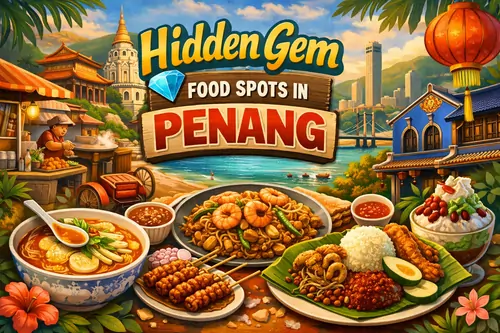
Penang food streets and hawker centres are packed with stalls devoted to a single specialization: char kway teow Penang style, Assam laksa Penang, Hokkien mee, cendol, and more.
While famous spots get all the headlines, locals still have their own, less‑publicized favorites scattered across the island.
George Town’s Backstreets
Chulia Street and Kimberley Street are two of the most famous areas for Penang street food. In the evening, Chulia Street fills with carts selling grilled skewers, fried noodles, and bowls of comforting soups.
Kimberley Street, a short walk away, offers stalls that have earned a loyal following and sometimes even awards, all while staying relatively simple and affordable.
Nearby, Lebuh Keng Kwee hosts Penang Road Famous Teochew Chendul, where people queue under the hot sun for a paper cup of shaved ice, green jelly, and coconut milk.
The area around the stall is lined with small shops and stands serving other local snacks, turning a single dessert stop into a full hidden gem food experience.
Air Itam and Neighborhood Food Courts
Around the Air Itam area, near Kek Lok Si Temple, you’ll find one of the island’s most well‑known versions of Assam laksa Penang.
The stall sits in a bustling environment that still feels like a local market, with vendors selling snacks, drinks, and other dishes just steps away. It’s a great example of how traditional Malaysian food and everyday life blend into one scene.
Beyond the tourist centre, neighborhoods like Jelutong and other residential zones host food courts that are less covered in English‑language guides. Here, Penang food streets and hawker centres cater mainly to residents.
You’ll find char kway teow Penang style cooked over charcoal, satay street food Malaysia‑style, and economy rice stalls where you pick from a dozen dishes to fill your plate.
Extra Hidden Gems in Penang
- Morning markets in Air Itam – Besides the famous laksa, you can try nasi lemak wrapped in newspaper, fried snacks, and local kopi among locals doing their market run.
- Neighborhood food courts in Jelutong – These spots are quieter than city‑centre hawker streets but beloved by residents. They’re ideal for local food experiences in Malaysia that don’t feel curated for visitors.
For deeper planning, you can rely on detailed Penang food guides that map out the best street food in Penang by neighborhood, or classic overviews like this Penang street food guide.
Beyond KL and Penang: Underrated Towns
Kuala Lumpur and Penang get most of the attention, but other cities and towns also contribute to Malaysia as a culinary tourism destination.

Melaka, with its mix of Malay, Chinese, and Portuguese history, is packed with shophouses turned into heritage cafés and Nyonya eateries.
Here, you can taste traditional Malaysian food with unique local twists.
Ipoh is another must‑visit for food lovers seeking food spots in Malaysia outside the big two. Its old town kopitiams are famous for white coffee and silky flat rice noodles served in light broths.
Many people consider these local restaurants in Malaysia just as important as big‑name tourist places, because they provide daily comfort to residents rather than a performance for visitors.
Smaller kampung villages and roadside stops between major cities also hide memorable non‑touristy food places Malaysia rarely advertises.
Roadside warungs may serve nasi campur with dozens of dishes, grilled fish by the river, or satay sticks cooked in front of you.
If you’re open to exploring, these stops can become highlights of your own Malaysia food tour.
For a more academic look at how all these places shape the country’s image, some research papers explore Malaysia as a culinary tourism destination and how local food heritage is used as a destination marketing strategy.
- Malaysia as a culinary tourism destination (PDF)
- Local food heritage as a destination marketing strategy
Sample Hidden Gem Areas by City
To make planning easier, here’s a quick snapshot of where to look:
| City | Area / Type of Place | What to Look For |
|---|---|---|
| Kuala Lumpur | Kampung Baru night stalls | Nasi lemak stalls, satay street food Malaysia style, grilled fish |
| Kuala Lumpur | Bukit Bintang back lanes | KL street food spots, skewers, noodles, late‑night local crowds |
| George Town (Penang) | Chulia & Kimberley Streets | Penang food streets, hawker centres, char kway teow, local desserts |
| George Town (Penang) | Air Itam market area | Assam laksa Penang, breakfast snacks, kopi at simple stalls |
| Melaka | Old town shophouses | Nyonya restaurants, traditional Malaysian food in heritage cafés |
| Ipoh | Old town kopitiams | White coffee, noodle stalls, kopitiam breakfast spots |
Use this table as a starting point for mapping out hidden food gems in different regions.
Must‑Try Dishes at Hidden Gems
To make the most of hidden gem food spots in Malaysia, it helps to recognize names on signboards:
- Nasi lemak – Coconut rice with sambal, peanuts, anchovies, egg, and often fried chicken or rendang. Nasi lemak stalls pop up everywhere, from roadsides to kopitiams.
- Char kway teow – Stir‑fried flat noodles with prawns, egg, and Chinese sausage; in Penang, char kway teow Penang style is especially famous for its smoky flavor.
- Assam laksa – Tangy fish‑based noodle soup; Assam laksa Penang is one of the island’s iconic dishes.
- Curry laksa – Rich coconut curry noodle soup; curry laksa Kuala Lumpur style is common in small noodle shops and markets.
- Satay – Skewered, grilled meat served with peanut sauce and cucumber, a staple of satay street food Malaysia‑wide.
Many guides to the best Malaysian dishes and top 10 food to eat in Kuala Lumpur list these items, and hidden food gems usually do them exceptionally well. You can also browse detailed round‑ups like this list of mouthwatering Malaysian foods to try in KL.
How to Find Your Own Hidden Gems
You don’t need a perfect list to find hidden gem restaurants in Malaysia. The best approach is to combine a bit of online research with on‑the‑ground curiosity.
- Ask locals: Instead of “What’s the best restaurant?”, ask “Where do you eat with your family or friends?” The answers often reveal real local restaurants in Malaysia you’d never discover from big travel sites.
- Use local groups and forums: Facebook groups and Reddit threads where Malaysians share Malaysia local eats and hidden gems recommendations are goldmines. Search for phrases like “hidden food gems in Malaysia that locals actually love” to find long comment threads full of suggestions.
- Watch where lines form: If you see a stall with a long queue of locals, especially in a simple setting, it probably serves must‑try food in Malaysia that’s affordable and satisfying.
Crowdsourced lists of underrated hidden gem restaurants in Malaysia can also help you plan routes by city or state.
Practical Tips for Visiting Local Food Spots
To enjoy local food experiences in Malaysia comfortably, keep a few practical points in mind:
A beginner’s guide to KL street food
- Ordering: In many hawker centres, find a table first, note the number, then order directly from each stall and mention your table. They’ll bring the food over when it’s ready.
- Sharing tables: It’s normal to share tables during busy periods. A simple smile and a nod go a long way.
- Payment: Some stalls accept e‑wallets, but many still prefer cash, especially older kopitiams and rural food spots in Malaysia.
- Timing: Popular stalls often open early and close once they sell out. Arriving just before typical meal times can help you avoid the longest lines.
- Dietary needs: If you’re sensitive to spice, ask for “less spicy” and be mindful of sambal. Many areas offer halal choices; look for signs or ask locals to recommend halal‑friendly food spots.
If you want more general guidance on eating out and street food culture, broad travel food blogs are also helpful, such as this beginner’s guide to KL street food.

I’m John Michael Palmes, an SEO practitioner with over three years of hands-on experience in search engine optimization and digital marketing. I help websites improve visibility, build effective SEO content strategies, and rank better on Google using practical, data-driven approaches.
My focus is on on-page SEO, keyword research, and content optimization—the fundamentals that help both search engines and users understand a site clearly. I continuously test, analyze results, and refine strategies, sharing honest and actionable SEO insights as search algorithms evolve.