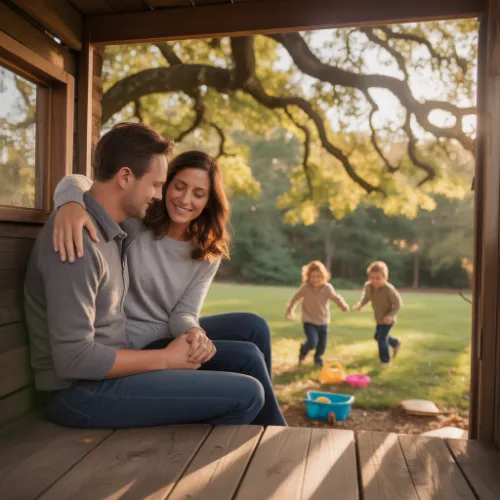
Emotional distance happens when partners feel disconnected, unheard, or unseen over time.

It often builds slowly due to stress, poor communication, or unresolved issues, not because love disappears.
What is emotional distance in a relationship? 🤔
Emotional distance is the loss of emotional closeness between partners. Conversations feel shallow. Affection fades. One or both people stop sharing thoughts and feelings.
You may still live together or talk daily, but the emotional bond feels weak.
What are the first signs of emotional distance? 🚩
Distance shows up in subtle ways before it becomes obvious.
Common early signs include:
• Fewer meaningful conversations 🗣️
• Less affection or physical closeness 🤍
• Avoiding deep topics
• Feeling lonely even when together 😔
• More irritation over small things
These signs usually repeat. Patterns matter.
What causes emotional distance in relationships? ⚠️
Emotional distance rarely has one cause. It usually comes from layered stressors and unmet needs.
The most common causes explained 📌
| Cause | What it looks like | Why it creates distance |
|---|---|---|
| Poor communication 🧱 | Avoiding hard talks | Needs stay unmet |
| Chronic stress 😰 | Work or life overload | Emotional energy runs out |
| Unresolved conflict 🔁 | Issues never resolved | Resentment builds |
| Emotional neglect 😶 | Feeling unheard | Connection weakens |
| Different coping styles 🧠 | One shuts down, one pushes | Mismatch grows |
| Lack of quality time ⏳ | Always busy | Bond stops renewing |
Read more: Emotional Distance: What is It and What Causes It?
How does stress create emotional distance? 😰
Stress consumes emotional bandwidth. When energy goes to survival, connection drops.
People under stress often withdraw, become irritable, or become emotionally numb. This is not rejection. It is overloaded.
If stress stays high for long periods, emotional connection slowly erodes.
How unresolved conflict pushes partners apart 🔥
Unresolved issues do not disappear. They settle under the surface.
Each ignored argument adds emotional weight. Over time, partners stop trying because it feels pointless.
Distance becomes a defense mechanism.
Why emotional needs go unmet 🧠
Emotional needs include feeling heard, valued, and supported.
When needs are not expressed clearly, partners guess. Guessing often fails.
Silence creates assumptions. Assumptions create distance.
How different attachment styles affect emotional closeness 🔍
People connect differently.
Some seek closeness under stress. Others pull away. Neither is wrong, but mismatch creates confusion.
If one partner needs space while the other needs reassurance, emotional distance can grow fast.
Does emotional distance mean the relationship is failing? ❓
Not always.
Distance often signals strain, not the end. Many couples experience emotional distance during stressful seasons.
The key factor is willingness to address it.
Also helpful: Anxiety Triggers and How to Manage Them 😌
How emotional distance shows up in daily life 🧩
You may notice:
• Conversations stay practical only
• Less eye contact
• More screen time 📱
• Fewer shared activities
• Reduced emotional safety
These behaviors become habits if left unaddressed.
How to reduce emotional distance in a relationship ✅
Reconnection starts small. Consistency matters more than intensity.
Practical steps that help most couples 💡
• Name the distance without blame
• Schedule distraction-free time ⏳
• Listen without fixing
• Share feelings, not accusations
• Address stress before addressing each other
Even short daily check-ins rebuild safety.
What not to do when emotional distance appears ❌
Some responses make distance worse.
Avoid:
• Forcing conversations
• Keeping score
• Using sarcasm
• Withdrawing completely
• Expecting instant change
Pressure creates more shutdown.
When should emotional distance be taken seriously? 🚨
You should seek help if:
• Distance lasts for months
• Communication feels unsafe
• One partner avoids entirely
• Resentment dominates interactions
Early support improves outcomes.
Read next: How to Communicate Better Without Fighting 🗣️
How long does it take to reconnect emotionally? ⏳
It depends on the cause and effort.
Many couples notice improvement within:
• A few weeks of better communication
• One month of consistent quality time
• Ongoing progress with honest effort
Distance builds slowly. Reconnection does too.
Key takeaway 🧠✅
Emotional distance is usually a response to stress, unmet needs, or unresolved issues, not a lack of love. When partners slow down, listen, and reconnect intentionally, closeness can return.
Connection grows where attention goes 💞.
If this feels familiar, pause and start one honest conversation this week. Explore more Relationships and Love guides on FeedFrenzyPlus 💚

I’m Geraldine Villariza, an SEO Specialist with over 3 years of experience. I’m passionate about beauty, self-care, and helping others thrive. I’ll be discussing topics like lifestyle, beauty, health and wellness, life hacks, daily tips, mindset and motivation, productivity, relationships, and love — all to help you live a more balanced and fulfilling life.