
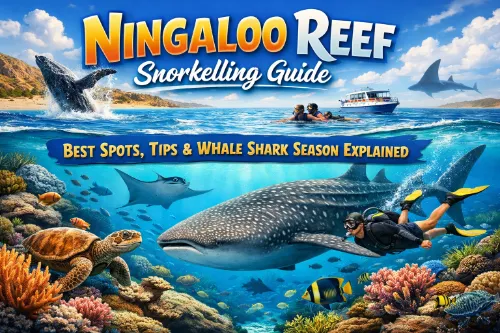
Ningaloo Reef Snorkelling Guide
If you dream of floating over bright coral gardens with turtles, rays, and reef sharks just metres from the beach, Ningaloo Reef in Western Australia is one of the best places on earth to do it. This snorkelling destination is famous for easy shore access, crystal‑clear turquoise water, and the chance to swim with whale sharks in season. It’s a perfect alternative to the Great Barrier Reef if you want fewer crowds and more raw, remote coastline.
This guide walks you through the best snorkelling spots at Ningaloo Reef, how to plan your trip, the whale shark season explained in simple terms, and practical safety tips so you can enjoy the reef confidently—even as a beginner or family with kids.
Where Is Ningaloo Reef and Why It’s Special
Ningaloo Reef runs for about 260 kilometres along Western Australia’s Coral Coast, roughly 1,200 kilometres north of Perth. It hugs the shoreline, which means that in many places you literally park your car, walk a few metres over sand, and step straight into a world‑class coral reef system.
Unlike many reef systems that require long boat rides, Ningaloo is largely shore‑based. That alone makes it ideal for relaxed snorkelling days, self‑guided exploring, and family‑friendly swims. Water visibility is typically excellent, especially in the dry season, and the reef supports turtles, manta rays, reef sharks, schools of tropical fish, and seasonal visitors like whale sharks and humpback whales.
Most travellers base themselves near one of two hubs:
- Exmouth on the northern end of the reef
- Coral Bay further south, a smaller, laid‑back village right on the lagoon
Both are strong bases for a Ningaloo Reef snorkelling holiday, with slightly different vibes and access to different snorkel spots.
Exmouth vs Coral Bay: Choosing Your Base
Exmouth
Exmouth is the main town on the northern side of Ningaloo Reef. It has an airport (Learmonth), supermarkets, a range of accommodation from holiday parks to resorts, and easy access to Cape Range National Park. From Exmouth, it’s a short drive to signature snorkelling spots like Turquoise Bay, Oyster Stacks, and Lakeside.
Exmouth is also one of the primary departure points for whale shark tours during the main season. If swimming with whale sharks is a priority, Exmouth makes a very strong base. You’ll find multiple operators, good availability during peak months, and plenty of other activities like diving, kayaking, and hiking in the national park.
Coral Bay
Coral Bay is smaller and more intimate—essentially a village centered around one gorgeous bay. The beach is right there, and a house‑reef style coral system lies just off the sand. You can literally walk from your accommodation onto the beach, pop on your mask and fins, and be over coral in minutes.
Coral Bay is fantastic for families and first‑time snorkellers who want everything close together. There are tour operators offering reef snorkel trips, manta ray tours, and whale shark tours in season, but the overall feel is quieter and more relaxed than Exmouth. If your focus is easy, everyday snorkelling without much driving, Coral Bay is hard to beat.
Getting to Ningaloo Reef
To reach Ningaloo Reef, most travellers start in Perth. You then have two main options:
- Fly: Direct flights from Perth to Learmonth Airport (near Exmouth), then pick up a rental car or shuttle into town. From Exmouth, you can drive down to Coral Bay if you want to split your stay between both hubs.
- Drive: A long but rewarding road trip north from Perth along the Coral Coast Highway. Many travellers break up the journey with stops in places like Kalbarri, Shark Bay, or Carnarvon before reaching Exmouth and Coral Bay.
Because Ningaloo is remote, it pays to book flights, car hire, and whale shark tours well in advance, especially if you are travelling during peak whale shark season or school holidays.
Best Snorkelling Spots at Ningaloo Reef
There are many places to snorkel along Ningaloo Reef, but a handful of sites consistently stand out for easy access, reliable marine life, and beautiful coral gardens. Below are the key snorkelling spots you should consider building into your itinerary.
Turquoise Bay (Drift and Bay) – Exmouth
Turquoise Bay is often described as one of Australia’s best beaches and one of the top snorkelling spots in the country. The water is startlingly clear and blue, the sand is powder‑soft, and the reef is just offshore.
There are two main ways to experience Turquoise Bay:
- The Drift Snorkel: You enter the water at the southern end of the bay, swim out a short distance to the reef, and let the current gently carry you over vibrant coral and schools of fish. At the northern end, you exit before the current pulls you further along the coastline. This drift is thrilling but demands some confidence in the water and an understanding of where to get out.
- The Bay: For a calmer experience, especially for families or beginners, the bay side offers more sheltered conditions. You still get colourful coral and plenty of fish, but with less pronounced current than the drift section.
Always check local signs for current information and recommended entry and exit points.
Oyster Stacks – Exmouth
Oyster Stacks is a favourite for experienced snorkellers because the coral is incredibly close to shore and densely packed. It feels like swimming in an underwater garden, with coral bommies rising from the sandy bottom and schools of fish weaving between them.
However, there are some key considerations:
- It’s tide‑dependent. You should only snorkel here at high tide when there’s enough water above the coral and rock. At low tide, it is shallow and can be dangerous for both you and the reef.
- Entry is over a rocky shoreline, so reef shoes can be helpful when you walk in and out.
- Because you’re close to the coral, you need excellent buoyancy control. It’s not ideal for nervous swimmers or very young children.
For confident snorkellers, Oyster Stacks is one of the most rewarding spots on Ningaloo Reef.
Lakeside – Exmouth
Lakeside is another beautiful snorkelling spot within Cape Range National Park, often considered slightly calmer and more relaxed than Turquoise Bay or Oyster Stacks. You usually enter from the beach near a small car park and swim out towards the mooring buoys or sanctuary markers.
Here you can see:
- Green turtles cruising the sand channels
- Rays resting on the bottom or gliding by
- Reef sharks patrolling in the distance
- Large schools of fish and scattered coral bommies
Lakeside is excellent for a long, lazy snorkel because you can move between patches of coral and sand, spotting different species without battling strong currents.
Five Fingers Reef – Coral Bay
South of Coral Bay, Five Fingers Reef offers a slightly more adventurous shore‑based snorkelling experience. It gets its name from the “finger‑like” projections of coral that extend out from the shore.
This area often requires a 4WD track to access, or you might reach it via guided tours or a combination of driving and walking. Once in the water, you’re rewarded with:
- Healthy coral structures
- Turtles grazing on sea grass or resting on the reef
- Plenty of fish life and the occasional reef shark
The environment here feels more remote and rugged, so it’s best suited for snorkellers who are comfortable reading conditions and swimming in slightly less sheltered water.
Bill’s Bay / Paradise Beach – Coral Bay
Right in front of Coral Bay village, Bill’s Bay (and the adjacent Paradise Beach) offers super easy snorkelling straight off the sand. You walk from town, enter the water, and within a short swim you’re above coral and fish.
This is the classic family‑friendly Ningaloo Reef experience:
- Shallow areas for children to paddle and practice with a mask
- Gradually deeper water with coral gardens for confident swimmers
- Frequent turtle sightings, especially just beyond the first reef line
Because it’s so accessible, you can easily snorkel here multiple times a day around naps, meals, or breaks in the shade.
Other Notable Snorkelling Areas
If you have more time or are comfortable exploring further afield, consider:
- Tantabiddi area near Cape Range: Often accessed by boat tours, with calm, shallow coral gardens.
- South Lefroy and Winderabandi: Remote, camp‑based snorkelling for travellers with 4WD vehicles and an appetite for off‑grid adventure.
- Osprey Bay, Pilgramunna, and other smaller bays along Cape Range: Each with its own mix of coral, sand, and marine life, often less busy than the headline spots.
Whale Shark Season at Ningaloo Reef Explained
One of the biggest reasons travellers choose Ningaloo Reef is the chance to swim with whale sharks, the gentle giants of the ocean. Ningaloo is considered one of the most reliable places in the world to see whale sharks in the wild.
When Is Whale Shark Season?
Whale shark season at Ningaloo Reef typically runs from around late March through July, with the most consistent sightings in April, May, and June. Some operators also see them earlier or later, but the heart of the season is in the cooler, dry months.
The timing is closely linked to coral spawning and plankton blooms. After the coral spawns (usually in March or April), the water becomes rich with food, attracting whale sharks that filter‑feed near the surface. This creates ideal conditions for in‑water encounters.
What to Expect on a Whale Shark Tour
Whale shark tours generally depart from Exmouth or Coral Bay and run as full‑day trips. While exact itineraries vary by operator, a typical day looks like this:
- Morning pick‑up from your accommodation and transfer to the boat ramp.
- Safety briefing, gear fitting, and sometimes a warm‑up snorkel on the reef to get comfortable.
- Spotter planes or boats search for whale sharks offshore. Once they find one, your vessel moves into position.
- Guests enter the water in small groups and swim alongside the whale shark as it glides slowly near the surface.
- Several in‑water sessions, rotating groups so everyone gets multiple chances.
- Additional reef snorkel stops or wildlife viewing on the way back—sometimes manta rays, dolphins, or humpback whales in season.
You are not allowed to touch the whale sharks, and you must keep a minimum distance and stay to the side of the animal. Operators have strict rules in line with marine regulations, and guides are in the water to manage the group.
Who Can Join Whale Shark Tours?
Most tours require:
- Basic swimming ability and comfort with a mask, snorkel, and fins
- A minimum age (often around 6–8 years for full in‑water participation, though younger children may be allowed to come on the boat but not swim)
- Reasonable fitness, as you may have to swim in open water and keep pace with the whale shark for short periods
If you’re travelling with young kids or nervous swimmers, check operator policies carefully and consider choosing tours that emphasise family‑friendly support, flotation aids, and in‑water guiding.
Other Seasonal Marine Life
Beyond whale sharks, Ningaloo Reef has a rotating calendar of marine highlights:
- Manta rays: Often seen around Coral Bay and certain offshore cleaning stations, with specialised manta tours available.
- Humpback whales: Migrate along the coast, with dedicated whale‑watching and, in some periods, in‑water humpback experiences.
- Turtles: Green, loggerhead, and hawksbill turtles are present year‑round, with nesting seasons on certain beaches.
If your dates are flexible, you can aim for a time of year that combines whale sharks with mantas or humpbacks for maximum impact.
When to Visit: Weather, Water Temperature, and Conditions
Ningaloo Reef has a desert climate—hot, dry summers and warm, dry winters, with relatively low rainfall.
- March–May: Warm to hot air temperatures, warm water, excellent for snorkelling and the start of whale shark season.
- June–August: Cooler air (but still pleasant), slightly cooler water, peak for whale sharks and good visibility.
- September–November: Warming up again, good snorkelling, shoulder season for some wildlife.
- December–February: Very hot, more wind and cyclone risk, still snorkelable but can be more challenging and less comfortable in midday heat.
Water temperature generally ranges from the low‑20s to high‑20s Celsius. Many people are comfortable in a rashie or thin wetsuit top for sun protection and a bit of warmth.
Wind is another factor to consider. Onshore winds can generate surface chop and reduce visibility, while calm mornings often provide the best snorkelling conditions. Planning your main snorkel for earlier in the day is usually a smart move.
Essential Snorkelling Tips and Safety at Ningaloo
While Ningaloo Reef is incredibly accessible, it’s still a wild marine environment. A few simple safety habits go a long way.
Read the Conditions
- Check local signage at major snorkel sites; they often show recommended entry/exit points, current directions, and any recent hazards.
- Look at the water before you enter: note the wave pattern, current direction, and any obvious rips or strong flows.
- If in doubt, ask rangers, tour staff, or experienced locals for advice on the day’s conditions.
Know Your Limits
- Start with easier sites like Bill’s Bay in Coral Bay or the bay side of Turquoise Bay if you’re new to snorkelling.
- Only attempt stronger current sites like the Turquoise Bay drift if you are a confident swimmer and understand how drift snorkels work.
- Snorkel with a buddy, stay relatively close together, and agree on a simple hand signal to communicate underwater.
Protect the Reef
Ningaloo Reef is a protected marine park, and it’s crucial to minimise your impact:
- Do not touch, stand on, or kick coral. Even a single fin kick can break fragile structures.
- Practise staying horizontal in the water with your feet up, especially in shallow sections.
- Keep a respectful distance from turtles, sharks, rays, and other animals; let them approach you if they choose.
- Use reef‑safe sunscreen or, better yet, wear a long‑sleeve rashie and leggings to reduce chemical load in the water.
Gear Choices
For comfortable snorkelling at Ningaloo, consider:
- Mask and snorkel that fit well and do not leak. Test your mask seal by gently inhaling through your nose; it should stay in place without you holding it.
- Fins appropriate to your strength and conditions; full‑foot fins are common for warm‑water snorkelling and give you enough thrust to handle light currents.
- Rash vest or thin wetsuit for sun protection and warmth during longer sessions.
- Reef shoes for entry at rocky spots like Oyster Stacks (remove them once you’re in deeper water, and switch to fins).
If you don’t own gear, you can rent or borrow it in Exmouth and Coral Bay, or join guided snorkelling tours that provide all equipment.
Sample Itineraries for Snorkelling Ningaloo Reef
To help you turn this information into an actual trip, here are two simple example itineraries. You can modify them based on your travel style, whale shark goals, and whether you’re combining Exmouth and Coral Bay.
3 Days in Exmouth (Snorkelling + Whale Sharks)
Day 1 – Cape Range and Turquoise Bay
- Morning: Drive into Cape Range National Park, stop at lookouts and beaches.
- Late morning: Snorkel at Turquoise Bay (start with the calmer bay section to get comfortable).
- Afternoon: Relax on the beach, short walks in the park, sunset over the Indian Ocean.
Day 2 – Whale Shark Tour
- Full‑day whale shark experience departing from Exmouth or Tantabiddi.
- Morning reef snorkel, then multiple in‑water swims with a whale shark in offshore waters.
- Evening: Return to town, enjoy dinner and review your photos or videos.
Day 3 – Oyster Stacks and Lakeside
- Check tide times and plan Oyster Stacks at or near high tide.
- Relaxing afternoon snorkel at Lakeside, watching for turtles and rays.
- Optional second sunset stop at Turquoise Bay or another favourite beach.
3 Days in Coral Bay (Family‑Friendly Focus)
Day 1 – Bill’s Bay / Paradise Beach
- Snorkel straight from the beach in front of town; practise with kids in shallow water.
- Afternoon: Glass‑bottom boat tour to see the reef without getting fully in.
Day 2 – Reef Snorkel or Manta Ray Tour
- Join a half‑day boat tour to outer reef sites or manta ray cleaning stations.
- Enjoy guided snorkels with an instructor in the water for extra support.
Day 3 – Five Fingers Reef Adventure
- For confident families or adults, visit Five Fingers Reef by 4WD or as part of a tour.
- Alternate plan: another relaxed day at Bill’s Bay with short walks, more snorkels, and beach time.
FAQ: Planning Your Ningaloo Reef Snorkelling Trip
Is Ningaloo Reef suitable for beginners and kids?
Yes. Places like Bill’s Bay in Coral Bay and the bay side of Turquoise Bay offer shallow, relatively sheltered water ideal for first‑time snorkellers. Look for calm days with low swell, use flotation aids if needed, and keep sessions short at first to avoid fatigue.
Do I need to join a tour to snorkel at Ningaloo?
Not necessarily. Many of the best snorkelling spots are shore‑accessible, especially in Cape Range National Park and around Coral Bay. However, tours are very useful for reaching outer reef sites, manta ray cleaning stations, and of course whale shark feeding grounds offshore.
What is the best month to visit Ningaloo Reef for whale sharks and snorkelling?
If you want both comfortable weather and high odds of whale shark sightings, late April through June is a sweet spot. The water is still warm enough for long snorkels, and tours usually report strong sighting rates during this window.
Can I see whale sharks from the beach?
Whale sharks are typically encountered further offshore in deeper water, so you should not expect to see them from shore. To swim with whale sharks at Ningaloo, you need to book a dedicated whale shark boat tour with a licensed operator.
Is Ningaloo Reef better than the Great Barrier Reef for snorkelling?
“Better” is subjective, but many travellers prefer Ningaloo for its shore‑based access, more intimate scale, and lower visitor numbers. You can drive, park, and be snorkelling over coral in minutes, which is especially attractive for independent travellers, families, and those who prefer a simpler, less commercialised reef experience.

I’m John Michael Palmes, an SEO practitioner with over three years of hands-on experience in search engine optimization and digital marketing. I help websites improve visibility, build effective SEO content strategies, and rank better on Google using practical, data-driven approaches.
My focus is on on-page SEO, keyword research, and content optimization—the fundamentals that help both search engines and users understand a site clearly. I continuously test, analyze results, and refine strategies, sharing honest and actionable SEO insights as search algorithms evolve.