
Smart Home Hubs: Alexa vs Google Home vs Apple HomeKit
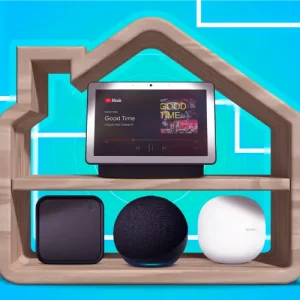
Choosing the right smart home hub depends on your devices, ecosystem, and privacy preferences.
Amazon Alexa offers broad compatibility, Google Home excels with AI and Google integration, and Apple HomeKit prioritizes security and seamless Apple device control.
What Is a Smart Home Hubs?
A smart home hub is a central device that connects and controls your smart devices.
It allows you to manage lights, thermostats, cameras, and more from one platform, often using voice commands or automated routines.
Amazon Alexa
Alexa is Amazon’s smart home hub, often paired with Echo devices.
Strengths
- Wide Device Compatibility: Works with thousands of smart devices, from lights to locks.
- Skills Library: Supports third-party apps (“skills”) that expand functionality.
- Voice Control and Routines: Automate tasks like “Good Morning” to control lights, read news, and start appliances.
Limitations
- Privacy Concerns: Devices constantly listen for wake words.
- Fragmented Experience: Multiple third-party skills can feel inconsistent.
Best For
Users who want the broadest device compatibility and customizable routines.
Google Home
Google Home, powered by Google Assistant, integrates smoothly with the Google ecosystem.
Strengths
- Smart Search and AI: Provides accurate answers using Google’s search intelligence.
- Integration with Google Services: Works with Calendar, Maps, Gmail, and YouTube.
- Device Compatibility: Supports many popular smart devices, though fewer than Alexa.
Limitations
- Google Ecosystem Required: Some features work best if you use Android and Google apps.
- Fewer Third-Party Skills: Limits niche functionality compared to Alexa.
Best For
Android users or those invested in Google apps who want AI-driven responses and simple routines.
Apple HomeKit
HomeKit is Apple’s smart home platform, designed for iPhone, iPad, and HomePod users.
Strengths
- Security and Privacy: Strong encryption and privacy protections.
- Seamless Apple Integration: Works with Siri, iPhones, and Apple Watch.
- Automation and Scenes: Create “scenes” to control multiple devices at once.
Limitations
- Limited Device Compatibility: Fewer third-party devices support HomeKit.
- Higher Cost: Apple-certified devices are often more expensive.
Best For
Apple users who prioritize privacy and want seamless integration with existing Apple devices.
How to Choose the Right Smart Home Hub
When selecting a hub, consider:
- Ecosystem: Apple users → HomeKit; Android users → Google Home; cross-platform → Alexa.
- Device Compatibility: Alexa supports the most devices, ideal for large smart homes.
- Privacy Concerns: HomeKit leads, followed by Google Home, then Alexa.
- Voice Assistant Preference: Choose the AI you find easiest and most reliable to use.
Comparison Table
| Feature | Alexa | Google Home | Apple HomeKit |
|---|---|---|---|
| Device Compatibility | Very High | High | Moderate |
| AI Intelligence | Moderate | Very High | Moderate |
| Privacy | Moderate | High | Very High |
| Ecosystem Integration | Cross-platform | Google apps | Apple devices |
| Cost | Moderate | Moderate | High |
| Voice Assistant | Alexa | Google Assistant | Siri |
Common Questions About Smart Home Hubs
How much does it cost?
Prices vary: entry-level devices start around $50, while premium hubs and accessories can exceed $300.
Is it worth investing in a hub?
Yes—if you want convenience, automation, and central control for multiple devices.
What should I avoid?
Avoid hubs that don’t support your devices or require heavy ecosystem commitments you don’t want.
Can I mix ecosystems?
Some devices work across platforms, but full automation works best within one ecosystem.
Conclusion
There’s no single “best” smart home hub—it depends on your priorities.
- Alexa: Best for versatility and broad device support.
- Google Home: Best for AI intelligence and Google integration.
- Apple HomeKit: Best for privacy and Apple ecosystem users.
By understanding your devices, ecosystem, and privacy needs, you can choose the hub that turns your house into a connected, convenient smart home.
Learn more about Tech and Digital Trends:

I’m Dollee Ann Palmes, a seasoned SEO writer with over a decade of experience in creating content that is both engaging and optimized for search engines. Specializing in industries like technology, health, finance, and lifestyle, I produce clear, concise, and keyword-rich content that aligns with user intent and follows SEO best practices. I excel in keyword research, on-page SEO, and optimizing content for mobile-friendliness, page speed, and site structure. Over the years, I’ve built a proven track record of improving content rankings through strategic keyword placement, proper formatting, and technical SEO.