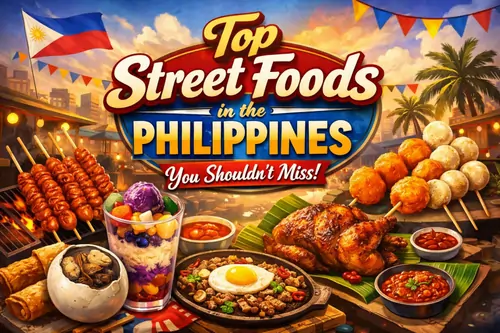
Top Street Foods in the Philippines You Shouldn’t Miss!
Street foods in the Philippines are a must-try for anyone wanting to experience authentic Filipino flavors, from grilled skewers to sweet treats like turon and halo-halo. If you want a quick taste of local culture, exploring Filipino street food is one of the best ways to start.
What Are Street Foods in the Philippines?
Street foods in the Philippines are ready-to-eat dishes sold by vendors in streets, markets, and public areas, ranging from deep-fried snacks and grilled meats to refreshing desserts. They’re affordable, flavorful, and usually served in small portions, so you can try many different items in one outing.
Why they matter:
- Represent Filipino culture and culinary creativity, with many items using “nose-to-tail” ingredients or local fruits.
- Affordable and accessible to everyone, with prices often starting at just a few pesos per piece.
- Provide quick bites for busy locals and curious travelers alike.
For an overview of classic favorites, check out this curated list of popular Filipino street food.
What Makes Filipino Street Foods Special?
Filipino street food is an experience, not just a meal, standing out for its variety, accessibility, and social atmosphere. You’ll often see groups of friends crowded around a cart, sharing skewers and stories late into the evening.
What makes it special:
- Flavor variety: In one stop you can taste sweet turon, sour vinegar dips, salty fish balls, and spicy sauces.
- Accessibility: Vendors are found everywhere—from city corners in Manila to small-town plazas and night markets across the country.
- Community vibe: Many vendors chat with customers, offer cooking tips, or suggest their favorite dipping sauce combinations.
This visual guide to Filipino street food snacks shows how diverse and colorful the scene is.
Must-Try Street Foods in the Philippines
Here are iconic Filipino street foods you shouldn’t miss, with links where you can learn more about each one.
1. Isaw (Grilled Chicken or Pork Intestines)
What it is: Isaw is skewered chicken or pork intestines, cleaned thoroughly, marinated, and grilled over charcoal. It’s usually served with spiced vinegar or a sweet barbecue-style sauce.
Why it’s popular:
- Smoky, charred flavor with a chewy–crispy texture.
- Often very cheap per stick, so locals enjoy it as an everyday snack.
You can read more about isaw and other innard-based snacks in this article on Filipino street food classics.
2. Balut (Fertilized Duck Egg)
What it is: Balut is a fertilized duck egg that’s incubated for several days, then boiled and eaten from the shell with salt or vinegar. It’s one of the most famous—and sometimes intimidating—street foods in the country.
Why try it:
- Considered a symbol of Filipino street food culture, often called the “king” of local snacks.
- Usually sold at night from roaming vendors, making it part of the evening street experience.
Learn more from this detailed explanation of balut and other Filipino street foods.
3. Kwek-Kwek (Battered Quail Eggs)
What it is: Kwek-kwek are hard-boiled quail eggs coated in an orange batter and deep-fried until crispy. You’ll spot them easily by their bright orange color in street carts.
Tips:
- Best paired with spiced vinegar, sweet brown sauce, or a mix of both.
- Often sold alongside tokneneng (similar but made with chicken eggs).
You can see kwek-kwek and other favorites in this Filipino street food guide.
4. Fish Balls and Squid Balls
What it is: Fish balls and squid balls are bite-sized processed seafood balls deep-fried in hot oil and served on sticks straight from roaming carts. They’re one of the longest-running and most nostalgic Filipino street snacks.
Why they’re loved:
- A wide selection of dipping sauces: sweet, spicy, or tangy vinegar blends.
- Very affordable, often just a few pesos per piece, so they’re a favorite after-school or after-work snack.
This overview of Pinoy street food favorites talks about fish balls, squid balls, and their typical prices in different settings.
5. Turon (Banana Spring Roll)
What it is: Turon is made from sliced saba bananas (often with strips of jackfruit), rolled in sugar, wrapped in lumpia (spring roll) wrapper, and deep-fried until caramelized and crisp.
Flavor profile:
- Crunchy outside with a soft, sweet banana filling.
- Often eaten as a mid-afternoon snack (merienda) or quick dessert.
Turon is featured among merienda staples in this Food Almanac of Pinoy street foods.
6. Halo-Halo (Mixed Shaved Ice Dessert)
What it is: Halo-halo is a mixed shaved-ice dessert usually served in cups or tall glasses, with layers of sweetened beans, jellies, fruits, leche flan, and ice cream on top. It’s widely available at small stalls, carinderias, and fast-food chains.
Why try it:
- Perfect for cooling down in the Philippine heat.
- Each vendor has their own twist, making it fun to compare versions.
You’ll find halo-halo mentioned as a must-try in many Filipino dessert and street food lists.
7. Betamax and Adidas (Grilled Skewers)
What it is:
- Betamax: Skewered cubes of coagulated chicken or pork blood, grilled over charcoal, nicknamed after the old tape format because of its rectangular shape.
- Adidas: Grilled chicken feet, seasoned and basted on the grill, named after the shoe brand.
Why try them:
- They show the Filipino love for using every part of the animal (“nose-to-tail” eating).
- Bold, smoky flavors that are popular with locals who enjoy adventurous bites.
Read more about betamax, adidas, and similar skewers in this Pinoy street foods almanac.
How Much Do Street Foods in the Philippines Cost?
Most common street foods are very budget-friendly, often costing ₱10–₱50 per serving, depending on the item and location. In regular neighborhood stalls, individual fish balls, squid balls, or kwek-kwek might be just a few pesos each, while larger items like pork barbecue or halo-halo cost a bit more.
Some sample ranges:
- Fish balls, squid balls, kikiam: often around ₱0.50–₱5 per piece in local areas.
- Kwek-kwek: about ₱3–₱10 per piece, depending on the vendor.
- Banana cue, turon, simple skewers: commonly ₱10–₱20 each in many towns.
- Halo-halo in local eateries: around ₱25–₱50 per glass, more in malls or tourist zones.
You can see an example price breakdown in this Filipino street food price list and local discussions of typical costs.
How to Enjoy Street Foods Safely
Street food is generally safe when you choose your stall wisely and watch how food is handled. Following a few basic rules greatly reduces the risk of stomach trouble.
Safety tips:
- Check for freshness: Choose vendors who cook food in front of you and serve it hot or still steaming.
- Look for crowds: Busy stalls with many locals usually have high turnover, meaning the food doesn’t sit out for long.
- Start small: Try a few pieces first to see how your stomach reacts, especially if you’re not used to local flavors or spice.
- Hand hygiene: Use hand sanitizer or wipes before eating, particularly when eating with your hands.
- Be cautious with sauces: Dip from common sauce containers only if they’re frequently replaced and look clean, or pour the sauce onto your plate/stick instead of double-dipping.
For more guidance, this article on eating safely in the Philippines offers practical street food safety tips for travelers.
Benefits of Eating Street Foods in the Philippines
Eating Filipino street food isn’t just cheap—it’s one of the easiest ways to connect with local life.
Benefits:
- Cultural connection: Learn how locals snack, socialize, and use traditional ingredients like duck eggs, saba bananas, and innards.
- Affordable dining: Sample many dishes for a low total cost, perfect for budget travelers and students.
- Flavor exploration: Discover unique textures and tastes rarely found in standard tourist restaurants.
This cultural overview of Philippine street foods also highlights how important they are in urban food culture.
What Should You Avoid?
To reduce the risk of foodborne illness, it helps to know what to skip.
Consider avoiding:
- Foods that look reheated or have been sitting out a long time in open air.
- Stalls that appear unsanitary, with dirty oil, unclean utensils, or poor food handling.
- Unknown sauces or dips if you have allergies, food sensitivities, or are unsure about ingredients.
Many travelers and locals share similar advice in online discussions about street food in the Philippines.
How to Choose the Best Street Food Stall
Choosing the right stall can make all the difference in your experience.
Tips:
- Look for crowded stalls—a steady line of locals often signals good taste and safe turnover.
- Observe the cooking methods: food cooked fresh to order is safer than items sitting in trays or coolers.
- Ask locals for recommendations—taxi drivers, hotel staff, and students often know the best (and safest) spots.
Is It Worth Trying?
Yes—Filipino street food is absolutely worth trying if you want an authentic, flavorful, and affordable taste of the Philippines. From crunchy kwek-kwek to sweet turon and adventurous bites like balut and betamax, each snack reflects local creativity and everyday life.
For a deeper dive into specific dishes and where to find them, this comprehensive Filipino street food guide is an excellent resource to explore before your food trip.

I’m Dollee Ann Palmes, a seasoned SEO writer with over a decade of experience in creating content that is both engaging and optimized for search engines. Specializing in industries like technology, health, finance, and lifestyle, I produce clear, concise, and keyword-rich content that aligns with user intent and follows SEO best practices. I excel in keyword research, on-page SEO, and optimizing content for mobile-friendliness, page speed, and site structure. Over the years, I’ve built a proven track record of improving content rankings through strategic keyword placement, proper formatting, and technical SEO.