Things to Do in Manila: A Historical and Modern Travel Guide for Filipinos
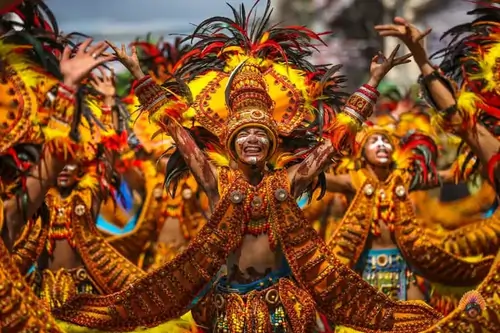
Manila, the bustling capital city of the Philippines, is a beautiful blend of history, culture, and modernity. Whether you’re a local looking to rediscover the city’s rich heritage or a first-time visitor wanting to explore its landmarks, Manila has a wealth of experiences to offer. From historical attractions like Intramuros to the modern shopping mecca of Mall of Asia, there’s something for everyone in this vibrant metropolis.
1. Intramuros: The Heart of Manila’s History
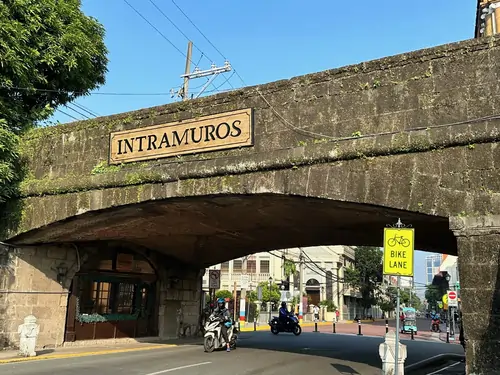
Intramuros, often referred to as the “Walled City,” is Manila’s historical and cultural center, built by the Spanish during the colonial era. The cobbled streets, centuries-old buildings, and iconic landmarks will transport you back in time, offering a glimpse into the past.
Fort Santiago
One of the most significant historical sites in Manila, Fort Santiago was once a military defense fortress during the Spanish colonial period. It was also a prison for Filipino heroes, including Dr. José Rizal. Today, it houses a museum and exhibits detailing the history of the fort and its connection to Philippine independence.
San Agustin Church
A UNESCO World Heritage Site, San Agustin Church is a beautiful example of Baroque architecture and the oldest stone church in the Philippines. Its stunning frescoes, intricate carvings, and historical significance make it a must-visit for anyone interested in history and architecture.
Manila Cathedral
Another gem in Intramuros, the Manila Cathedral is a grand Roman Catholic church with a rich history, having been rebuilt several times since it was first established in 1581. It features beautiful stained glass windows, intricate sculptures, and a serene atmosphere perfect for reflection.
A walk through the walls of Intramuros offers a unique blend of Spanish-era architecture and a deeper understanding of the Philippines’ colonial past.
2. Rizal Park: A Tribute to the National Hero
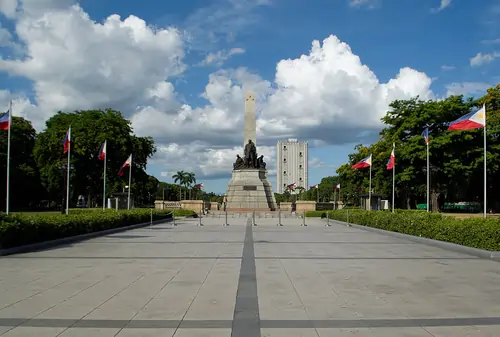
Named after the country’s national hero, Dr. José Rizal, Rizal Park (also known as Luneta Park) is one of the most iconic landmarks in the Philippines. The park is a symbol of the nation’s struggle for independence and a place for reflection, recreation, and history.
Rizal Monument
At the heart of the park stands the Rizal Monument, which houses the remains of Dr. José Rizal, who was executed here on December 30, 1896. The monument is a symbol of his sacrifice and contributions to the fight for Philippine freedom.
Rizal Park Gardens
Take a stroll through the beautifully maintained gardens and enjoy the various sculptures, fountains, and green spaces perfect for picnics or just relaxing with family and friends.
Rizal Park is a place where history meets tranquility, making it the ideal spot for both introspection and outdoor activities.
3. National Museum Complex: A Deep Dive into Philippine Culture
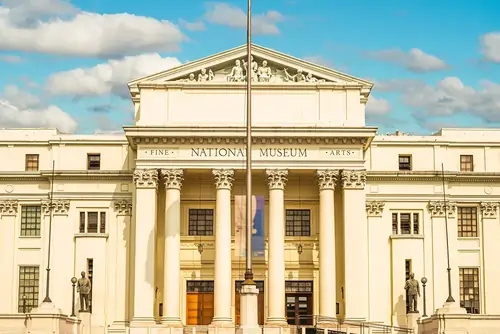
For those keen on learning more about the Philippines’ rich cultural heritage, the National Museum Complex offers an excellent opportunity to explore the country’s history, art, and culture in one central location. The complex consists of four major museums:
National Museum of Fine Arts
This museum is home to masterpieces by renowned Filipino artists like Juan Luna and Fernando Amorsolo. The collection highlights the evolution of Filipino art, from pre-colonial to modern times.
National Museum of Anthropology
If you’re interested in the country’s diverse indigenous cultures, this museum offers a fascinating look at the history, traditions, and art of various ethnic groups in the Philippines.
National Museum of Natural History
A treasure trove of the country’s natural wonders, this museum showcases the Philippines’ diverse flora and fauna, from the most exotic wildlife to the country’s unique ecosystems.
National Museum of History
This museum takes visitors through the history of the Philippines, from its early beginnings to its struggles for independence. It’s a great place to gain a deeper understanding of the nation’s cultural roots.
The National Museum Complex is a must-visit for Filipinos and tourists alike, offering rich insights into the country’s history, art, and cultural evolution.

4. Mall of Asia: Shopping, Dining, and Entertainment at its Best
After exploring the historical and cultural sites in Manila, a trip to the Mall of Asia (MOA) is a great way to unwind and enjoy modern amenities. As one of the largest malls in the world, MOA is a shopping, dining, and entertainment hub that caters to all tastes and preferences.
Shopping
MOA offers a wide range of stores, from high-end brands to local boutiques, so you can find everything you need, whether it’s fashion, gadgets, or souvenirs.
Dining
With hundreds of restaurants and food outlets, MOA provides a variety of dining options, from local Filipino delicacies to international cuisines. Whether you’re in the mood for fast food or fine dining, you’ll find something to satisfy your appetite.
Entertainment
The mall features an array of entertainment options, including a large IMAX theater, an ice skating rink, a convention center, and even a seaside promenade perfect for a leisurely walk with a view of Manila Bay.
MOA is a perfect spot to cap off your Manila adventure with some shopping and relaxation after a day of historical exploration.
Best Time to Visit Manila
The best time to visit the Philippines, including Manila, is during the dry season, which runs from December to May. This is when the weather is generally sunny, with lower chances of rain and comfortable temperatures.
The rainy season typically lasts from June to November, with typhoons being most common between August and October. For the best experience, plan your visit during the dry season to fully enjoy the outdoor attractions and historical sites.
Things to Know Before Visiting Manila
Currency
The currency used is the Philippine Peso (PHP). It’s advisable to have some cash on hand, though most places in Manila accept credit cards.
Language
The official languages are Filipino (Tagalog) and English, though there are many regional languages and dialects spoken across the country.
Transportation
Getting around Manila is relatively easy, with various modes of transport such as taxis, jeepneys (colorful public minibuses), tricycles, and buses. For inter-island travel, ferries or flights are often necessary. It’s advisable to use ride-hailing apps like Grab for convenience and safety.
Safety
The Philippines is generally safe for tourists, but, as with any destination, it’s always important to stay vigilant and take basic precautions, especially with valuables. Be sure to check for any updated travel advisories and follow local safety guidelines.
Conclusion: Manila’s Unique Blend of History and Modernity
Manila is a city that offers an incredible mix of old-world charm and contemporary excitement. From the historical wonders of Intramuros and Rizal Park to the cultural richness of the National Museum Complex and the modern buzz of Mall of Asia, there’s something for every Filipino to enjoy.
Whether you’re a history enthusiast, an art lover, or a shopping aficionado, Manila’s rich cultural and modern offerings are sure to provide a memorable experience. So, take a trip to Manila, rediscover the beauty of your country’s past, and experience the best of the present.

I’m Dollee Ann Palmes, a seasoned SEO writer with over a decade of experience in creating content that is both engaging and optimized for search engines. Specializing in industries like technology, health, finance, and lifestyle, I produce clear, concise, and keyword-rich content that aligns with user intent and follows SEO best practices. I excel in keyword research, on-page SEO, and optimizing content for mobile-friendliness, page speed, and site structure. Over the years, I’ve built a proven track record of improving content rankings through strategic keyword placement, proper formatting, and technical SEO.