Bali is one of those places where every day quickly starts to revolve around food. From smoky roadside grills and family-run warungs to photogenic smoothie bowls and sunset seafood on the beach, the island makes it very easy to plan your itinerary around what you are going to eat next. This Bali food guide pulls everything together so you know exactly what to try, where to find it, and how to eat like a local while still staying comfortable.
Here you’ll discover traditional Balinese dishes, classic Indonesian favorites that are everywhere on the island, spice blends and sambals that give Bali its signature punch, and the best areas to explore for warungs, cafés, and night markets. You will also find tips on budget, dietary options, etiquette, and food safety so you can focus on enjoying your trip rather than worrying about what’s on your plate.
What Makes Balinese Food Unique?
Balinese cuisine is often grouped together with “Indonesian food,” but it really has its own identity. Bali is a Hindu-majority island in a mostly Muslim country, so pork and ceremonial meat dishes appear far more often than in many other Indonesian regions. Food is deeply connected to religion and ritual here; many of the dishes you see on your plate started as offerings in temples or at family ceremonies.
The flavors are bold but balanced. Expect a mix of aromatic spices (turmeric, coriander, cumin), fresh herbs (lemongrass, kaffir lime leaves, basil), and plenty of chili and shallot. Coconut, lime, and palm sugar are used to round out the heat and add richness. Even simple-looking plates – rice with a few side dishes – tend to have layers of flavor that come from slow-cooked spice pastes and long marinating times.
Balinese Food vs Indonesian Food
Indonesian food is an umbrella full of regional cuisines, and you’ll find many of those staples in Bali: nasi goreng, mie goreng, satay, rendang, and gado-gado. The Balinese twist is most obvious in the island’s ceremonial dishes and pork-based specialties. Babi guling (suckling pig) is one of the best examples; it’s seasoned with a complex spice paste, roasted until the skin is shatteringly crisp, and usually served at big celebrations.
Another difference is the way dishes are composed and shared. Nasi campur Bali – mixed rice with small portions of various side dishes – reflects the Balinese habit of combining many flavors and textures on one plate. While you can get nasi campur all over Indonesia, in Bali you are more likely to see specific local preparations like lawar (a chopped salad with vegetables, meat or seafood, coconut, and spices) or urap (vegetables with grated coconut).
Balinese Spices and Sambals
If you fall in love with Balinese food, it will almost certainly be because of the spice pastes and sambals that sit at the heart of so many recipes. One of the most important is basa genep, a thick, aromatic paste made from a long list of ingredients like turmeric, galangal, ginger, candlenut, coriander, and more. This paste is rubbed onto meats, mixed into soups, and used as a base for grilled dishes.
Sambal, the chili condiment found everywhere in Indonesia, also has a special version in Bali: sambal matah. This is a raw sambal made with sliced shallots, fresh chilies, lemongrass, lime leaves, and oil. It’s bright, spicy, and slightly citrusy, and it transforms simple grilled fish or chicken into something unforgettable. If you like heat, sambal matah will probably become one of your favorite tastes of the island.
Must-Try Traditional Balinese Dishes
When people ask what to eat in Bali, traditional Balinese dishes are always at the top of the list. They are the plates that tell you something about local life, ceremonies, and family cooking. Try at least a few of these during your trip, and you’ll get a real sense of the island’s character.
Babi Guling (Balinese Suckling Pig)
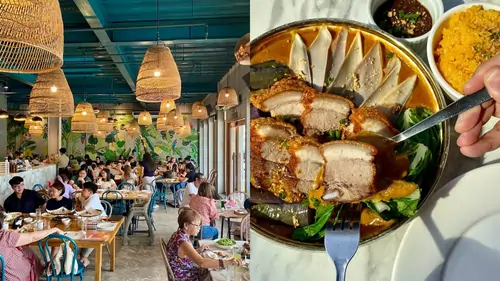
Babi guling might be Bali’s most famous dish. A whole pig is stuffed and rubbed with basa genep and other spices, then slowly roasted until the meat is tender and the skin becomes glassy and crisp. It is typically served with rice, lawar, crackling, and a spoonful of sambal. Many places specialize in this dish and sell out by afternoon, so go early in the day if it’s high on your list.
Ayam Betutu and Bebek Betutu
Betutu refers to a method of slow-cooking poultry in layers of spices and banana leaves. Ayam betutu uses chicken while bebek betutu uses duck, but the idea is the same: the bird is coated in a spice paste, wrapped, and cooked for hours until the meat is deeply flavored and very soft. This dish often appears at ceremonies and special occasions, but you can also find it in restaurants and warungs all over the island.
Lawar
Lawar is a classic Balinese side dish made from finely chopped vegetables, grated coconut, herbs, and sometimes minced meat or seafood. It can be spicy and is usually seasoned with a rich blend of spices and sometimes fresh blood in more traditional versions. The texture is slightly coarse and crunchy, and the flavor packs a punch. You’ll often see lawar served beside rice and meat dishes as part of a nasi campur plate.
Nasi Campur Bali
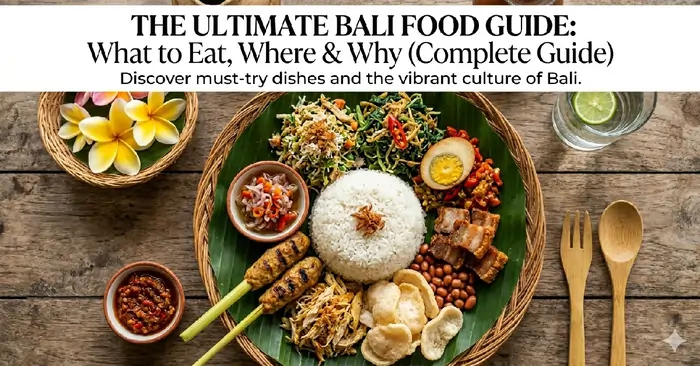
Nasi campur Bali is one of the easiest ways to taste a variety of local specialties in a single meal. A mound of white rice is surrounded by small portions of different items such as shredded chicken, crispy pork, lawar, vegetables, sambal, and sometimes peanuts or fried tempeh. Each warung has its own combination, so it’s worth trying nasi campur at a few different places to see how the plates change.
Sate Lilit
Satay is popular all over Indonesia, but sate lilit is uniquely Balinese. Instead of cubes of meat, these satay are made with minced fish or meat mixed with grated coconut, spices, and herbs. The mixture is molded around lemongrass stalks or bamboo sticks and grilled over charcoal. The result is juicy, fragrant, and slightly smoky. Sate lilit is often served with sambal and rice, and it’s a good option if you prefer seafood.
Laklak and Other Desserts
Balinese desserts are typically simple and not as sweet as Western desserts. Laklak are small, green rice flour cakes often colored with pandan and served with grated coconut and palm sugar syrup. You might also find bubur injin, a black rice pudding with coconut milk, or dadar gulung, pancake rolls filled with sweet coconut. These treats are perfect in the late afternoon with a cup of Balinese coffee or tea.
Indonesian Favorites You’ll See Everywhere
On top of Balinese specialties, you’ll see classic Indonesian dishes across the island. These are comfort foods that show up on almost every menu and are helpful if you want something familiar but still local.
Nasi goreng is Indonesian fried rice, usually cooked with sweet soy sauce, vegetables, and sometimes chicken or prawns, then topped with a fried egg. Mie goreng is similar but made with noodles instead of rice. Gado-gado is a vegetable salad covered in warm peanut sauce, often with tofu, tempeh, and boiled egg. Many travelers also fall in love with rendang, a slow-cooked beef dish from Sumatra that you’ll often see in Bali’s buffets and warungs.
These dishes are widely available, easy to recognize, and very forgiving if you’re still getting used to local flavors. If you’re nervous about ordering something you don’t know, starting with nasi goreng or mie goreng is always a safe choice.
Where to Eat in Bali (By Area)
Bali’s food scene changes a lot depending on where you stay. Some areas are better for traditional warungs, while others lean heavily toward modern cafés, healthy bowls, and international menus. Mixing a few neighborhoods into your trip will give you the best culinary variety.
Canggu
Canggu is café heaven. You’ll find smoothie bowls, avocado toasts, specialty coffee, and lots of plant-based options, all wrapped in a laid-back surf vibe. At the same time, there are plenty of local warungs tucked down side streets, often cheaper and more authentic than the main-strip spots. If you want to balance Western comforts with local dishes, Canggu is a great base.
Seminyak and Legian
Seminyak and Legian are known for their sunset bars, beach clubs, and stylish restaurants. Here you can expect polished plates, well-mixed cocktails, and a mix of Indonesian and international menus. This is a good area for a special dinner or night out, and it’s also where you’ll find many hotels with their own in-house dining options.
Kuta and Tuban
Kuta has long been associated with budget travelers, and the food reflects that. You’ll see many simple warungs, mall food courts, fast-food outlets, and casual restaurants. It may not be the most “charming” for food, but it’s very convenient and affordable. If you stay here, venture a bit away from the most touristy streets to find better-value local spots.
Ubud
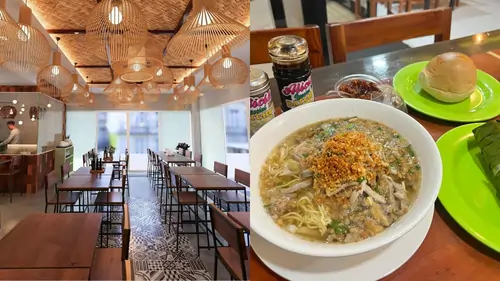
Ubud is the cultural and spiritual center of Bali, and that spirit shows up in the food. Expect many vegetarian and vegan restaurants, raw food cafés, and spots focused on organic, locally sourced ingredients. Alongside these, you’ll find traditional warungs serving nasi campur Bali, babi guling, and betutu dishes. Ubud is also a great place to take a cooking class and learn how to make some of the dishes you’ve been eating like at Kilig Bali Restaurant in Ubud.
Jimbaran, Sanur, and Beyond
Jimbaran is famous for its beachside seafood dinners. Tables are set out on the sand in the evening, and you can pick your fish or prawns before they go on the grill. It’s touristy, but it’s still a memorable experience if you’ve never eaten with your feet in the sand. Sanur is quieter and more relaxed, with a mix of old-school warungs and modern cafés along the beachfront. If you head further out to places like Uluwatu or Sidemen, you’ll find a more limited selection of restaurants, but what you do find usually comes with stunning views.
Bali Food Culture and Etiquette
Understanding a bit of local food culture makes eating in Bali more enjoyable. Food is tied closely to religion and community here. Many dishes you eat in restaurants have their origins in ceremonial offerings and family rituals. You might notice trays of flowers, rice, and snacks placed in doorways and on small shrines; these are offerings, not food for you to touch or move.
In traditional settings, eating with the right hand is the norm, especially when there is no cutlery. In many warungs, you will get a spoon and fork, but you’ll also see locals using their hands for rice and side dishes. If you want to try this, use your right hand and keep the left hand for holding the plate or glass. It doesn’t have to be perfect – people understand you’re a visitor – but being mindful of this custom shows respect.
Tipping is not mandatory, but it is appreciated. Some restaurants add a service charge to your bill; if they don’t, leaving around five to ten percent for good service is normal. In small local warungs, tipping is more flexible – you can round up the bill or leave a little extra if you’ve had a particularly good meal.
Food Safety and Street Food Tips
Bali has fantastic street food, but like anywhere in Southeast Asia, it’s wise to make a few basic checks before ordering. Look for stalls and warungs that are busy with locals; high turnover usually means fresher food. Pay attention to how food is stored and reheated, and lean toward dishes that are cooked to order rather than those that have been sitting out for hours.
Tap water in Bali is not safe to drink, so always choose bottled or filtered water. Most cafés and hotels use filtered water for ice and drinks, but if you’re unsure, it’s fine to ask. If you have a sensitive stomach, it can be smart to ease into street food slowly and avoid raw salads or unpeeled fruits from unknown places at the start of your trip.
Budgeting for Bali Food Guide
One of the best things about eating in Bali is that you can eat very well at almost any budget. At simple warungs and local markets, you can enjoy a filling plate of nasi campur, nasi goreng, or mie goreng for a small amount of money, especially outside the most touristy zones. If you mix warungs with mid-range cafés and restaurants, your daily food costs will still be affordable compared to many other travel destinations.
Beach clubs, high-end restaurants, and hotel dining can push your budget up quickly, but they also deliver views, ambiance, and more polished service. Think of these as occasional treats rather than everyday meals if you’re watching your spending. Planning one or two “splurge” dinners and sticking to local spots the rest of the time is a good way to balance your wallet with your wish list.
Vegetarian, Vegan, and Halal Options
Bali is surprisingly friendly to special diets. Vegetarian and vegan travelers will feel most at home in Ubud, Canggu, and Seminyak, where there are many cafés dedicated to plant-based menus. Traditional dishes like gado-gado, tempeh dishes, and some versions of nasi campur can also work if you confirm ingredients and ask for no meat or fish sauce.
Finding halal food on a Hindu-majority island may sound tricky, but in reality, there are many Muslim-friendly restaurants and stalls, especially in areas with more Indonesian tourists and workers. Look for halal signs or ask staff directly if this is important to you. If you’re gluten-sensitive, Bali’s health-focused café scene will be very helpful; many menus clearly label gluten-free options. For severe allergies or celiac disease, always double-check about sauces, marinades, and cross-contact.
Practical Tips for Enjoying Food in Bali
A little planning goes a long way toward unforgettable meals. Use mornings to explore local markets and try breakfast dishes you might not see later in the day. Lunchtime can be a good moment for warungs, when food is fresh and crowds are smaller. Save sunset for beachside drinks or a special meal with a view.
Learning a few basic phrases in Bahasa Indonesia will also enhance your experience. Words like “terima kasih” (thank you), “enak” (delicious), and “tolong tidak pedas” (please not spicy) go a long way. Locals appreciate the effort, and you may find that the more you engage with people around food, the richer your memories of Bali become.

Lorenzo Fermilan is a seasoned SEO specialist with more than eight years of experience helping brands and websites increase their visibility on Google. He specializes in data-driven SEO strategies, intelligent keyword targeting, and creating high-quality content that ranks and converts. With strong expertise in on-page, off-page, and technical SEO, Lorenzo has a proven track record of transforming website traffic into measurable results and sustainable long-term growth. He is passionate about simplifying complex SEO challenges into clear, practical strategies that drive real impact.