

In today’s fast-paced world, relationships are evolving. Why Today’s Youth Prefer “Situationships”: Traditional dating and committed partnerships are no longer the only options for young people navigating love and connection.
A growing trend among today’s youth is the rise of “situationships” — a gray area between casual dating and a committed relationship. But why are so many young people choosing this type of connection? Let’s explore the reasons behind this phenomenon.
Understanding Situationships
A situationship is essentially a romantic or sexual relationship that lacks clear labels or long-term commitment. Unlike casual flings or friendships with benefits, situationships often involve emotional intimacy, regular communication, and shared experiences. However, the relationship remains undefined, leaving both parties unsure of expectations, boundaries, and future possibilities.
Situationships appeal to many young people because they offer a mix of companionship and freedom without the pressures of traditional dating. In a world where personal goals, education, and career ambitions often take priority, this kind of flexible connection feels convenient and manageable.
The Desire for Freedom and Independence
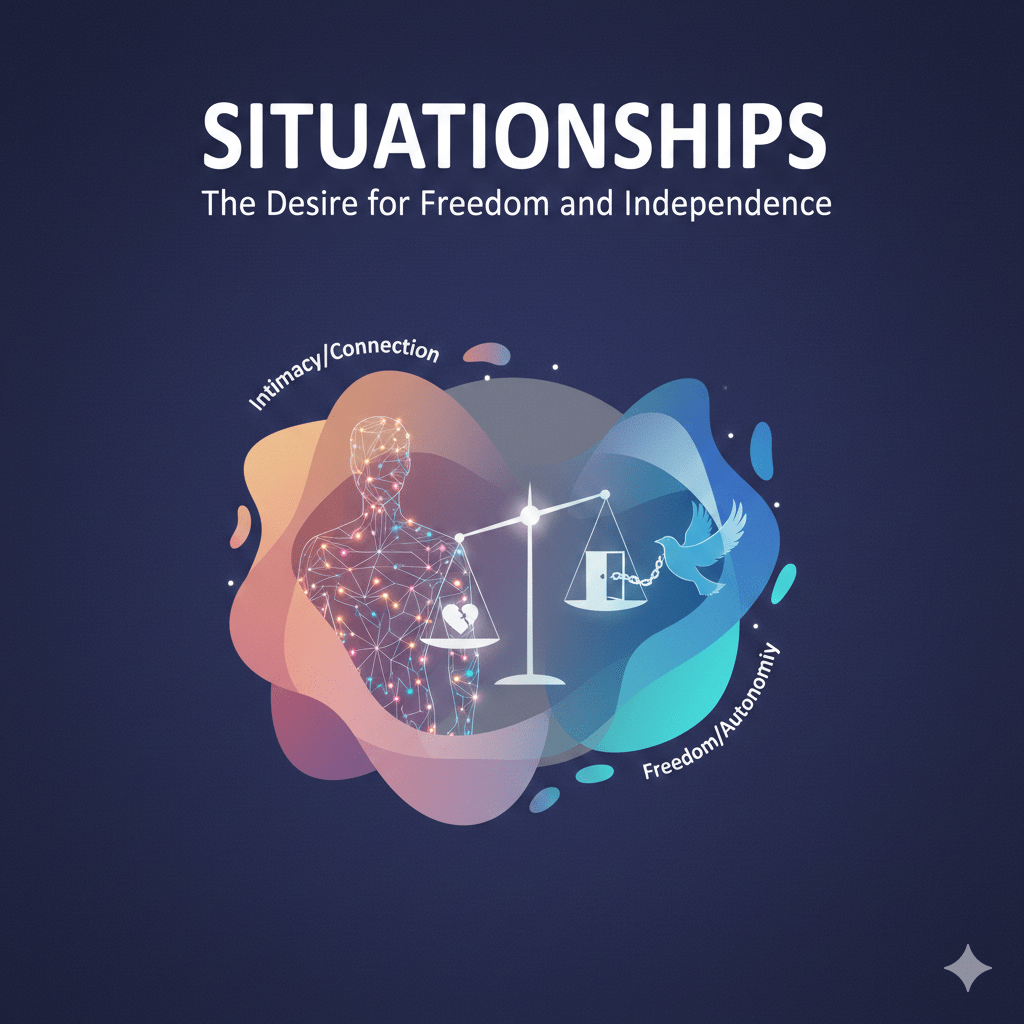
One of the main reasons youth gravitate toward situationship is the desire for independence. Young adults today often prioritize personal growth, career advancement, and social exploration. Committing to a traditional relationship can feel restrictive, particularly when it requires constant compromise and time investment.
Situationship provide an alternative: a way to enjoy intimacy and companionship without sacrificing independence. This balance allows young people to explore connections on their own terms, without feeling tied down or obligated to meet societal expectations of dating and commitment.
Fear of Commitment and Emotional Vulnerability
Commitment can be intimidating, especially for individuals who have experienced heartbreak or complicated family dynamics. Many young adults are wary of investing heavily in a relationship that might not last, and situationship offer a low-risk alternative.
By keeping relationships undefined, youth can enjoy emotional closeness without the full vulnerability that comes with a committed partnership. This approach reduces the potential for disappointment and allows individuals to maintain a sense of control over their emotions and choices.
Influence of Social Media and Digital Culture
Social media has also played a significant role in popularizing situationship. Platforms like Instagram, TikTok, and dating apps encourage casual interactions, fleeting connections, and instant gratification. The constant exposure to curated images of relationships can create pressure to engage in dating while simultaneously avoiding the responsibilities of commitment.
Youth are increasingly drawn to flexible relationships that fit into their digital lifestyles. Situationship allow them to maintain online visibility and social engagement without being tied to a traditional partner or relationship label.
Exploration of Identity and Personal Growth
Young adulthood is a time for self-discovery and experimentation. Situationship provide a space for exploring romantic desires, emotional needs, and personal boundaries. By remaining in an undefined relationship, youth can learn more about themselves and their preferences before committing to a long-term partner.
This flexibility can lead to stronger emotional intelligence and self-awareness, as individuals navigate the complexities of attraction, communication, and compatibility in a low-pressure environment.
Challenges and Risks of Situationships
While situationship offer freedom and flexibility, they are not without challenges. Ambiguity can lead to confusion, unmet expectations, and emotional stress. Without clear communication, one party may develop stronger feelings while the other remains casual, causing frustration or heartbreak.
It’s important for individuals in situationship to set boundaries, communicate openly, and regularly assess their feelings. Understanding the temporary and experimental nature of such connections can help prevent misunderstandings and emotional strain.
The Future of Modern Relationships
The rise of situationships reflects broader societal changes in how youth approach love, connection, and commitment. As priorities shift toward personal growth, career development, and digital engagement, traditional relationships may no longer be the default. Situationship offer a modern solution for navigating romance in a complex, fast-moving world.
Ultimately, situationship are about choice — the choice to explore, experience, and connect without the pressures of conventional dating. While not suitable for everyone, this trend highlights the evolving nature of love and intimacy among today’s youth.
Why Today’s Youth Prefer “Situationships”
Situationship are more than just a trend; they are a reflection of changing values and priorities among young people. They offer freedom, flexibility, and a space for self-exploration, making them an appealing alternative to traditional relationships. As society continues to evolve, understanding why youth prefer situationship can shed light on the future of romance, connection, and emotional well-being.

I am an SEO and Marketing Specialist who helps clients grow their business by driving sales and delivering results. I focus on SEO, content creation, and marketing strategies to improve online visibility and engagement. I enjoy creating content, managing campaigns, and helping businesses reach their goals through data-driven and results-oriented work.