Table of Contents
Tonsillitis is a common condition that can make you feel miserable fast. Your throat hurts, swallowing feels painful, and sometimes your tonsils look swollen or have white patches.
For Australian families, it’s also a familiar concern—kids missing school because of sore throats, adults pushing through work with fever and body pain, and parents wondering if antibiotics are needed or if it will go away on its own.
This guide explains tonsillitis in clear, simple language, with practical wellness tips and a “when to worry” checklist. It also explains when it makes sense to see an ENT specialist—such as Dr. Brett Leavers or other qualified ENT doctors—especially when tonsillitis becomes recurrent or affects breathing and sleep.
This article is for education only and does not replace medical advice.
What is tonsillitis?
Tonsillitis means inflammation (swelling and irritation) of the tonsils—two pads of tissue at the back of your throat. It usually happens because of an infection, and it can be caused by viruses or bacteria.
Many cases improve on their own within about a week, especially when the cause is viral.
Why tonsillitis matters for health and wellness
It is not just “a sore throat.” It can affect:
- Sleep (snoring, mouth breathing, poor rest)
- Eating and hydration (painful swallowing leads to poor intake)
- School and work performance (fatigue, fever, headaches)
- Overall immunity and recovery (recurrent infections can signal underlying issues)
When it is frequent or severe, it can reduce quality of life, especially for kids and people with busy schedules.
Common causes of tonsillitis
Viral tonsillitis
Viruses are the most common cause of tonsillitis. Viral infections often come with cold-like symptoms such as cough, runny nose, or hoarseness.
Bacterial tonsillitis
A common bacterial cause is Group A Streptococcus (often called “strep throat”), which can cause significant throat pain, fever, and swollen lymph nodes.
Tonsillitis symptoms to watch for
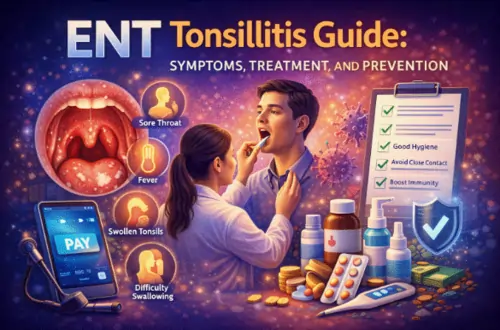
Tonsillitis symptoms can vary, but common signs include:
- Sore throat
- Swollen, red tonsils
- Painful swallowing
- Fever
- Swollen lymph nodes in the neck
- Bad breath
- White patches or pus on tonsils (can occur in both viral and bacterial cases)
NHS and Mayo Clinic note that tonsillitis involves swollen tonsils and sore throat and may be caused by viral or bacterial infection.
How doctors tell viral vs bacterial tonsillitis
It’s not always possible to tell just by looking—this is why proper testing matters, especially when strep is suspected.
Testing for strep (Group A Strep)
A clinician may do a throat swab and use:
- a rapid strep test
- a throat culture (often used to confirm negative rapid tests in children when suspicion remains)
A key CDC point: patients with clear viral symptoms usually don’t need testing for group A strep, and symptomatic children with a negative rapid test may need confirmatory throat culture.
Tonsillitis home care (wellness-focused)
If symptoms are mild and you’re stable, home care is often part of recovery.
Hydration first
When swallowing hurts, people drink less, which can worsen fatigue and slow recovery. Aim for:
- water
- warm soup
- oral rehydration fluids if needed
Pain and fever control
Over-the-counter pain relievers may help reduce throat pain and fever. (Follow product instructions and consult a clinician if you have medical conditions.)
Warm saltwater gargle
This can help reduce discomfort for some people.
Rest and recovery
Sleep supports immune function and reduces stress load on the body.
NHS and other clinical sources commonly recommend rest, fluids, and pain relief measures for tonsillitis, particularly when viral.
When antibiotics help (and when they don’t)
Antibiotics are useful when the cause is bacterial, such as confirmed group A strep infection.
But antibiotics won’t treat viral tonsillitis, and taking them unnecessarily can contribute to side effects and antibiotic resistance.
If you suspect strep, it’s safer to get evaluated rather than self-medicating.
When to seek urgent medical care
Seek urgent care if you have any of these:
- Difficulty breathing
- Drooling or unable to swallow fluids
- Severe dehydration (very low urine, dizziness, extreme weakness)
- Severe one-sided throat pain with swelling (possible abscess)
- High fever that won’t improve
- Symptoms rapidly getting worse
Persistent or severe symptoms should be assessed by a clinician.
Recurrent tonsillitis: when it’s more than “bad luck”
Some people, especially children, experience repeated infections. If tonsillitis keeps returning, it may impact:
- sleep quality (snoring, mouth breathing)
- school attendance and learning
- nutrition (poor intake during episodes)
- family routines and healthcare costs
This is when an ENT evaluation becomes more relevant.
When to see an ENT specialist
You may consider seeing an ENT (Ear, Nose, and Throat specialist) if:
- Tonsillitis is frequent or keeps coming back
- Snoring or sleep breathing issues happen with enlarged tonsils
- You’ve had complications like abscess
- Swallowing or breathing issues occur during episodes
- There’s concern about tonsil size or chronic symptoms
ENT surgeons manage both medical assessment and (when appropriate) surgical options like tonsillectomy. Clinical guidelines for tonsillectomy in children emphasize evaluating recurrent infections and sleep-disordered breathing.
Mentioning Dr. Brett Leavers (and other doctors)
In Australia, qualified ENT surgeons such as Dr. Brett Leavers (Sydney, NSW) and other credentialed ENT doctors assess tonsil and airway-related concerns as part of ENT practice, including recurrent tonsillitis and sleep-related breathing issues. If you’re choosing an ENT, look for recognized specialist credentials and experience with your specific problem.
Tonsillectomy: a patient-friendly explanation
A tonsillectomy is surgery to remove the tonsils. It is not the first step for most people today. Mayo Clinic notes that tonsil removal is now done mainly when tonsillitis happens often, doesn’t respond to other treatments, or causes serious complications.
For children, updated professional guidelines focus on:
- watchful waiting in some recurrent cases
- evaluating sleep-disordered breathing and related issues
A doctor will weigh frequency, severity, missed school/work, complications, and sleep impact before recommending surgery.
Prevention tips for tonsillitis (practical and realistic)
You can’t prevent every sore throat, but you can reduce risk:
- Wash hands regularly
- Avoid sharing utensils or drinking glasses when someone is sick
- Keep hydrated and sleep well
- Manage allergies (post-nasal drip can irritate the throat)
- Treat reflux if diagnosed (throat irritation can worsen symptoms)
If tonsillitis is frequent in your household, improving hygiene routines and early evaluation can help.
FAQs
What is tonsillitis?
Tonsillitis is swelling and inflammation of the tonsils usually caused by a viral or bacterial infection.
Do I always need antibiotics for tonsillitis?
No, antibiotics help bacterial infections like confirmed strep throat but do not treat viral tonsillitis.
How is strep throat confirmed?
Clinicians confirm strep using a throat swab with a rapid strep test or throat culture.
When should I see an ENT?
You should consider an ENT if tonsillitis is recurrent, severe, or linked to snoring and sleep breathing issues.
How long does tonsillitis usually last?
Many cases improve within about a week, especially when caused by a virus.

As a part-time SEO Specialist with 3 years of experience in keyword ranking, on-page optimization, and data-driven SEO strategies, Aubrey specializes in on-page SEO—focusing on improving organic performance through well-structured content and precise optimization. By aligning content with search intent, Aubrey strengthens website foundations that lead to faster, more stable rankings.