Vietnam Street Food Guide: From Morning to Midnight Eats
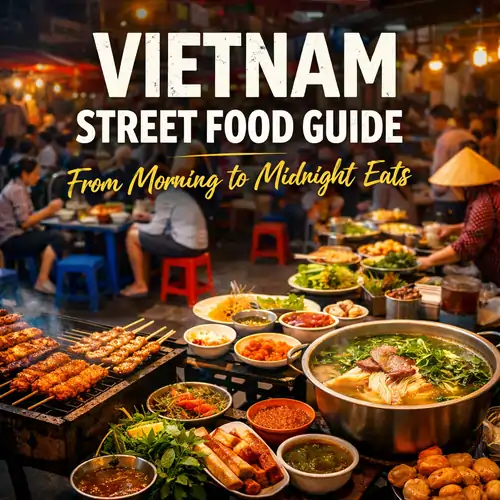
The air smells like simmering broth and grilled pork. Scooters hum past low plastic stools, ladles clink against steaming pots, and conversations spill straight into the street. This isn’t a festival or a food tour—it’s just another ordinary morning in Vietnam.
Vietnam street food isn’t something locals chase for novelty. It’s how the country eats every single day. From sunrise breakfasts to late-night market snacks, street food in Vietnam follows the rhythm of real life. According to the official Vietnam National Administration of Tourism, food is one of the strongest emotional connections travelers make with Vietnamese culture—and street food is where that connection feels most real.
This guide explores what to eat in Vietnam from morning to midnight, how Vietnamese street food changes throughout the day, and how to eat the way locals do—comfortably, confidently, and respectfully.
What Is Vietnam Street Food? (Quick Answer)
Vietnam street food refers to freshly prepared meals sold by local vendors on sidewalks, markets, alleyways, and small street-side stalls across Vietnam. These dishes are eaten daily for breakfast, lunch, snacks, and dinner by people from all walks of life.
Rather than offering long menus, most vendors specialize in one dish done exceptionally well. This focus allows them to perfect flavors, timing, and technique. As noted by BBC Travel, this specialization is one reason Vietnamese street food remains consistently high-quality despite its simplicity.
In Vietnam, street food isn’t separate from “real food.” It is real food.
Why Street Food Is Central to Vietnamese Food Culture
Vietnamese food culture values freshness, balance, and routine. Many households eat outside multiple times a day—not because cooking is inconvenient, but because street food is familiar, trusted, and woven into daily schedules.
Street food stalls often act as neighborhood kitchens. Office workers return to the same pho stall every morning. Families know exactly which cart grills the best pork. Vendors remember faces, preferences, and portions. This relationship-based food culture is why Vietnamese street food remains deeply rooted in daily life, a dynamic also highlighted in Lonely Planet’s Vietnamese food guide.
Eating street food isn’t rushed or transactional. It’s habitual, social, and quietly communal.
Morning Street Food in Vietnam: What Locals Eat for Breakfast
Vietnamese breakfast food is warm, savory, and practical. Sweet breakfasts are uncommon. Instead, mornings begin with noodle soups, sticky rice, or fresh bread—often eaten before work or school.
Most breakfast stalls open between 5:00 and 6:00 AM, especially in cities like Hanoi and Ho Chi Minh City. By mid-morning, many will already be sold out.
Popular Vietnamese Breakfast Street Food
Pho
Pho is traditionally eaten in the morning. Its light but aromatic broth, rice noodles, beef or chicken, and fresh herbs make it comforting without feeling heavy. Many locals believe pho is best early, when the broth has simmered overnight and flavors are at their cleanest. The cultural importance of pho as a national dish is explored by Smithsonian Magazine.
Banh Mi
A crisp baguette filled with grilled pork, pate, pickled vegetables, herbs, and chili. Banh mi is fast, portable, and affordable, making it ideal for busy mornings. Its blend of French and Vietnamese influences is documented by National Geographic.
Xoi (Sticky Rice)
Sticky rice topped with pork floss, eggs, or mung beans. It’s inexpensive, filling, and especially popular among students and shift workers.
Banh Cuon
Soft steamed rice rolls filled with pork and mushrooms, served with fish sauce and herbs, commonly found in northern Vietnam.
Micro example – Tourist vs Local (Breakfast)
- Tourist: Orders pho at noon from a quiet restaurant.
- Local: Eats pho at 6:30 AM from a crowded stall with no English sign.
Midday Street Food: Lunch Like a Local in Vietnam
Lunch street food in Vietnam is filling but balanced. Workers typically eat near their offices, often returning to the same vendors day after day. Meals are quick, familiar, and satisfying without being heavy.
Must-Try Vietnamese Lunch Street Food
Bun Cha
Grilled pork served with rice noodles, herbs, and dipping sauce. Bun cha is strongly associated with Hanoi street food culture and gained global attention after being featured by CNN Travel.
Com Tam (Broken Rice)
A southern Vietnam staple featuring grilled pork, fried egg, pickles, and fish sauce. It’s one of the most popular cheap eats in Vietnam, especially in Ho Chi Minh City.
Bun Bo Hue
A bold, spicy noodle soup from central Vietnam, richer and more aromatic than pho, with chili oil and fermented notes.
Hu Tieu
A versatile noodle dish common in southern Vietnam, served dry or with broth and topped with pork, seafood, or quail eggs.
Afternoon Snacks and Street Bites in Vietnam
Afternoons slow down. This is when people snack lightly, meet friends, or pause for coffee. Street food becomes less about fuel and more about comfort.
Goi Cuon (Fresh Spring Rolls)
Fresh rolls filled with shrimp, pork, herbs, and rice noodles. Their lighter profile is one reason Vietnamese cuisine is often described as balanced, as explained in Healthline’s overview of Vietnamese food.
Banh Xeo
A crispy Vietnamese pancake filled with pork, shrimp, and bean sprouts, eaten wrapped in fresh herbs and dipped in sauce.
Vietnamese Iced Coffee
Strong coffee brewed using a metal filter and sweetened with condensed milk. Coffee culture plays a major role in daily Vietnamese life, explored in depth by Serious Eats.
Night Market Street Food in Vietnam: After-Dark Eats
As the sun sets, Vietnam night markets come alive. The pace shifts. Meals become social. Food is shared rather than rushed.
Popular Night Market Foods
- Grilled seafood (squid, shrimp, clams)
- Cha gio (fried spring rolls)
- Skewered meats
- Che Vietnamese desserts
Che, a broad category of sweet soups and puddings made with beans, coconut milk, and jelly, is explained in detail by Saveur’s Vietnamese dessert guide.
Micro example – Tourist vs Local (Night Market)
- Tourist: Orders one large dish and leaves quickly.
- Local: Orders several small plates, shares, talks, and stays for hours.
(Internal link placeholder: Explore Vietnam night markets here)
Regional Differences in Vietnam Street Food
Vietnamese street food varies clearly by region, shaped by climate, history, and local preferences.
Northern Vietnam (Hanoi Street Food)
- Clean, subtle flavors
- Less sugar and spice
- Focus on broths and herbs
Central Vietnam (Hoi An & Da Nang)
- Bolder seasoning
- Spicier profiles
- Smaller portions with concentrated flavors
Southern Vietnam (Ho Chi Minh City Street Food)
- Slightly sweeter taste
- Wider variety of dishes
- Strong snack and dessert culture
For a broader regional overview, TasteAtlas’ Vietnamese cuisine profile provides useful context.
Ingredients and Flavors That Define Vietnamese Street Food
Across regions, Vietnamese street food relies on a few core elements:
- Fish sauce for depth and umami
- Fresh herbs like mint and basil
- Rice noodles and rice as staples
- A balance of savory, sour, and sweet flavors
This balance keeps meals flavorful without feeling heavy and encourages variety throughout the day.
Is Street Food in Vietnam Safe?
Yes—when you follow local habits.
The CDC’s Vietnam travel health guidance recommends:
- Choosing busy stalls
- Eating freshly cooked food
- Avoiding items left out too long
These are the same practices locals rely on daily.
How Much Does Vietnam Street Food Cost?
Vietnam street food is extremely affordable. According to Numbeo’s Vietnam cost-of-living data, street meals cost significantly less than restaurant dining, making Vietnam one of the most accessible destinations for food-focused travel.
Tips for Eating Street Food Like a Local in Vietnam
- Sit on low plastic stools
- Share tables naturally
- Observe before ordering
- Don’t rush
- Follow basic Vietnamese dining etiquette
These small habits help visitors blend in and enjoy food more authentically.
Best Cities in Vietnam for Street Food Lovers
- Hanoi – Traditional northern flavors
- Ho Chi Minh City – Energetic, diverse street food scene
- Hoi An – Central Vietnamese specialties
- Da Nang – Coastal street food and seafood
Each city offers a distinct rhythm shaped by geography and culture.
Final Thoughts: Why Vietnam Is a Street Food Paradise
Vietnam street food isn’t just about taste—it’s about timing, habit, and community. Eating from morning to midnight shows how food fits naturally into everyday Vietnamese life.
For FeedFrenzy readers, Vietnam offers more than meals. It offers a full-day food journey that rewards curiosity more than rigid planning.
Want to go deeper?
Start with our Hanoi street food guide, or share a city you’re visiting and we’ll help you plan what to eat—and when.

I’m Baby Ann Diaz, an accomplished SEO content writer with over ten years of experience producing engaging, search-optimized content. With a strong focus on Astrology, Horoscopes, and Feng Shui, I create clear, concise, and strategically keyword-driven articles that align with user intent and modern SEO standards. My expertise spans comprehensive keyword research, on-page optimization, and enhancing content for mobile responsiveness, page speed, and effective site structure. Throughout my career, I’ve consistently elevated content performance through thoughtful keyword integration, refined formatting, and solid technical SEO practices.